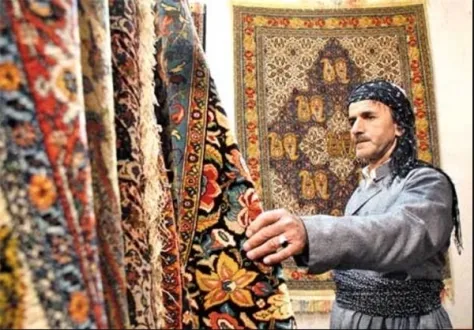
The province of Kurdistan is located in the mountains of the northwest of Iran and is limited from the north to the West Azerbaijan, and from the south to the Imams, and from the east to the Shi’ites, and from the west to the Iraqi state, its important mountains are “white, similitarian, and lush.” The Kurds are one of the Iranian tribes whose place of residence is often in the areas of the Zagro Mountains, history before Islam is dark and ambiguous, as in other elves and tribes, and the Kurdish people live in predominantly Western Azerbaijan. The people of the city or the village and the tribes and the inhabitants of Kurdistan or Azerbaijan are livestock and farmers, and these people are always familiar with the handicrafts in their history, especially the carpets, and with regard to the fact that the most important elements of this industry are prepared in their own place and by themselves, with the ease of employment and ease of employment, as well as the old ones. An interest in the art and industry of rugs and carpets and its constants and dynamics by the almost overnight effort of these people has been greatly effective in promoting the quality and good reputation of their handmade hands, which is now carpets and rugs and other hand-made carpets such as the fabrics of the people and the Hungarians in the ranks of the best hand-made countries, global cities and museums and large buildings around the world. The carpets of this area are usually wool, and the Perezs are short. Roles are often geometric and mental and color clear and cream or red, principles among the tribes of most geometric roles are pervasive, and many of them are known as the gravitation of lawyers, flowers, and women. Gorm Kurdistan is particularly beautiful and well-placed, and rosemega has had a great global reputation and external buyers since the past times, and is another handicraft of the people of this area, and Nisem is found in the area, especially around the Lake Farmer in the West and elsewhere in the West.