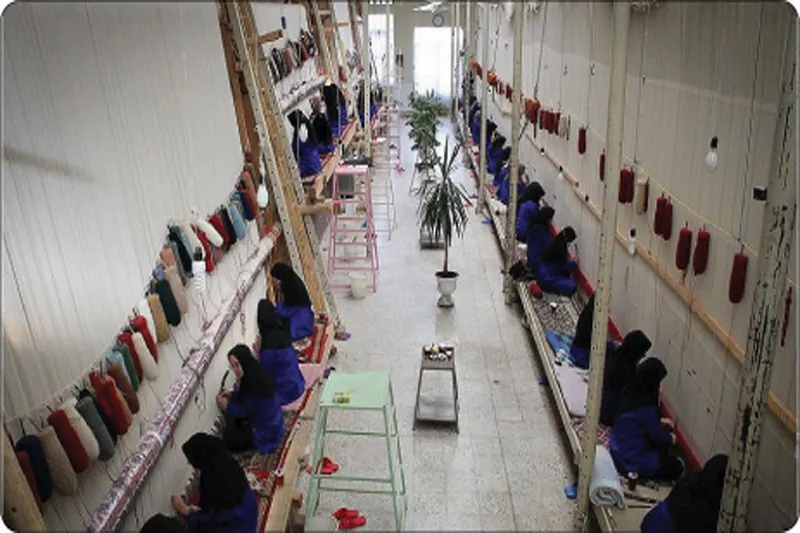
Although carpets are industrially collective and almost universal in this land for centuries, the formation of public workshops is undoubtedly established and prospered from the Safavid period of the 10th and 11th centuries. A reminder of the historical traditions and quotes of the world, at that time, the art of carpets, the work of work, design, and coloring of particular attention, and artists in small but collective workshops have been employed since the carpet industry has been established from a rural career to a public and independent job, and even their careers in a vibrant career and over the past century with the domestic markets. The first workshops originally created in the cities of Isfahan and Kashan and Tabriz and some of the cities of Khorasan, these workshops, although they were created by the profit of their owners, are now provided with a view that applies to them in the development of the art and industry of the carpets, such as the design, the design of the others, and the well-being and welfare of the other people, as those who do so that they do so that they do so. 2- They provide a work-off for health workers. 3 They play the hands one, some rules of work, including hours and age, and consider benefits for workers. In order to improve the quality of the work of the workers, they hire workers who themselves play a decisive role in the development of the technology and the protection of the age of the rug and the training of the elites. With sufficient capital and power, they obtain good first materials in time and from low-priced production centers and prepare at the necessary level of work.