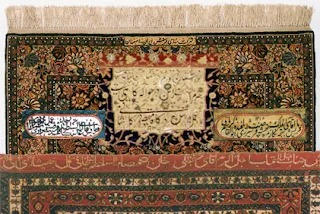
History of the rug textures is precisely derived from the writing on which it is woven, such as history, the name of the banker, in the covenant of the monarchy. On the other hand, the condition of the originality and authenticity of the writings can be identified. Carpet experts, according to some evidence, reveal the history and location of its texture in an approximate way. Some of these evidences include: A: raw materials and rug coloring: because in some historical points, taking things more than ever has been common. (b): Comparing carpets intended with similar historical rugs: This method, given that several examples of the Safavid covenant, the time of the boom of art and the remaining rug industry, is particularly acceptable for the recognition of the carpets in that promise. 1: Plan and role and role: designs, roles, rug artists have changed at different times the means of hand artists and designers in the direction of evolution, and these changes that have been influenced or steps with other practical and decorative arts such as working tile, national plummetry, linear books, drawing can represent the approximate history of rug tissue. T: The method of texture: given that the texture of the pen is traditional and influenced by moods and predatory beliefs and demands of nature around him and the ways of his life and these beliefs and methods are constantly variable, can be discovered by studying them almost as old as the rug tissue. (b) Historical documents and documents: Usually in documents related to conquests, loots, devoted, marriage, order of texture, family property, travelaries, while other items refer to property including carpets, and these carpets remain known in families or assemblies and mosques and temples. For example: (1) In the family of the describing the hand of the rug in a contract dated 1310, it is believed that it is "the hand of the rug" although completely decayed but remains. (2) A few rows of textures of the year 1010 (1601 m) Kashan, which is woven into the order of the King of Poland and transferred to his daughter as a dowry, and is now held at the Munich Museum of Derzes.