A look at the most important recent events in handwoven rug | Issue 5

The "Critical News" section in the fifth issue of Dastbaf magazine has been prepared with the aim of reviewing, examining and analyzing recent news and events in the field of handwoven rug. In this section, the most important events, decisions, programs and developments related to handwoven rug are considered and an attempt is made to criticize and evaluate their various aspects in addition to reflecting the news. "Critical News" tries to provide a basis for discussion, propose different perspectives and examine the opportunities and challenges facing handwoven rug with an analytical perspective and help to understand the influential events in this field more deeply

1405/04/06

number of visits : 61

First | Appointment of the Director of the National rug Center of Iran
First | Appointment of the Director of the National rug Center of Iran

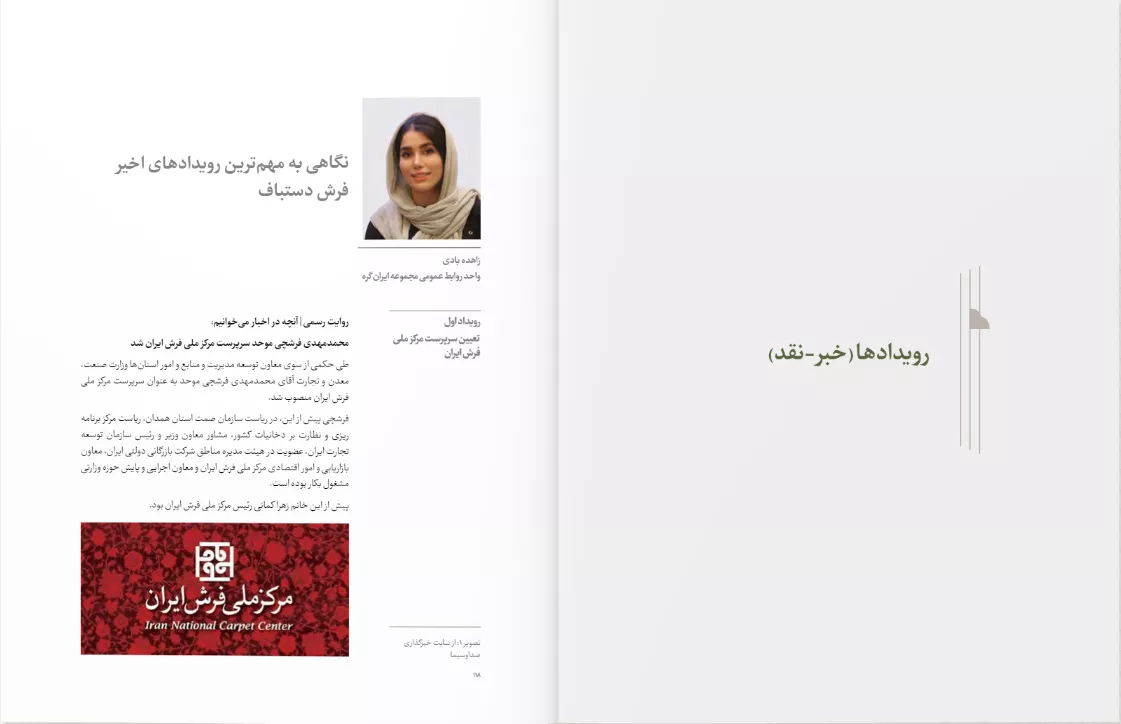
Official narrative | What we read in the news
Mohammad Mehdi Farshchi Movahed appointed as the head of the National rug Center of Iran

In a decree issued by the Deputy Minister of Management Development, Resources and Provincial Affairs of the Ministry of Industry, Mines and Trade, Mr. Mohammad Mehdi Farshchi Movahed was appointed as the head of the National rug Center of Iran

Farshchi previously served as the head of the Hamadan Province Anti-Corruption Organization, the head of the National Tobacco Planning and Supervision Center, an advisor to the Deputy Minister and the head of the Trade Development Organization of Iran, a member of the regional board of directors of the State Trading Company of Iran, the deputy head of marketing and economic affairs of the National rug Center of Iran, and the deputy head of executive and monitoring of the ministerial area

Previously, Ms. Zahra Kamani was the head of the National rug Center of Iran

Image 1: From the IRIB news website

Field Narrative | What's Behind the News
When Changing Managers Doesn't Solve Problems

In a situation where persian handwoven rug are facing a series of challenges in the areas of production, raw material supply, marketing and sales, exports, and reduced market confidence, management changes alone have not been able to create serious hope for transformation in this area. The experience of the past years at the National rug Center of Iran has shown that simply moving managers, without a sustainable, coherent, and implementable plan, will not have a tangible impact on improving the situation in the handwoven rug sector

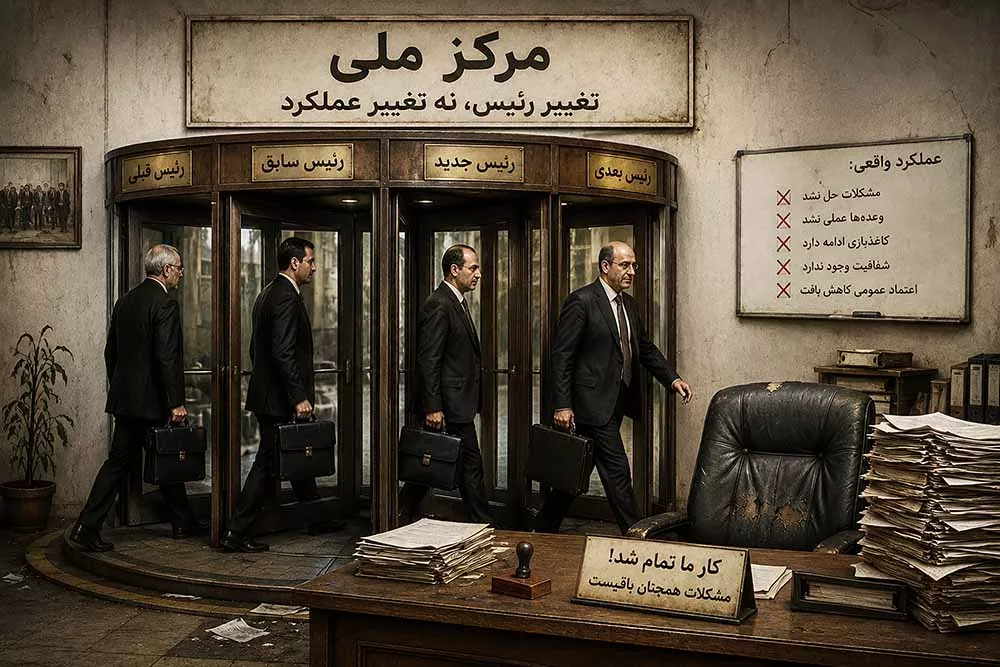
A review of the management process of the National rug Center of Iran in recent years also confirms this fact. Since the 2001, the management of this center has changed hands between various individuals; from Feyzollah Arab Sorkhi, Morteza Faraji, Faisal Mordasi, Mohammad Bagher Aghaalikhani, and Hamid Kargar (2014 to 2018) to Fereshteh Dastpak (2018 to 2019), Farahnaz Rafe (2019 to around 2022), and then periods of supervision and structural changes, to the management of Zahra Kamani (2025) and Mohammad Mehdi Farshchi (late 2026 to present). These successive changes have at times limited the opportunity to continue programs, evaluate performance, and bring projects to a conclusion

A significant portion of the managers and supervisors who were responsible for the center in previous years entered this field with concern and motivation; however, the short period of responsibilities and successive management changes did not provide sufficient opportunity for the completion of many of their programs, policies, and actions. On the other hand, a significant portion of the issues and challenges in the field of handwoven rug cannot be limited solely to the performance of the National rug Center; because the roots of some of the fundamental problems must be sought in the structures, decision-making methods, and even internal issues of the handwoven rug industry

What is felt more than anything else in the handwoven rug industry today is the need for a management that is concerned, persistent, and familiar with the realities of this field; a management that, beyond purely administrative structures, has a real understanding of the issues of producers, weavers, exporters, sellers, and market activists, and can simultaneously think about today's problems and future challenges. In such circumstances, it is expected that responsibilities will not be limited to a set of short-term and cross-sectional measures, and that decisions will be followed with a comprehensive, long-term perspective and continuous follow-up so that the output will be tangible and effective results for the handwoven rug industry

Of course, it is very important that improving the situation of handwoven rug, rather than depending on changing individuals, requires the formation of a sustainable, program-oriented approach with executive commitment; an approach that can lead this field from a cycle of repeating problems to stability and real prosperity. In the meantime, one of the important gaps is the lack of a clear mechanism for evaluating the performance of managers after the end of their term of office. Usually, with the end of each managerial term, changes occur without providing a clear report on past performance; without it being clear what programs have been achieved, what promises have been fulfilled, and what issues are still unresolved

While a careful review of the performance of previous managers can not only contribute to greater transparency and accountability, but also allows the new manager to follow the path of the future more realistically and effectively by recognizing the strengths and weaknesses of the past. Today's handwoven persian rug need more than name changes, continuity of programs, managerial responsibility, and a forward-looking perspective; a perspective that does not see each managerial period as a new starting point, but rather as the continuation of a path that must reach a clear and measurable result

Figure 2: The recurring cycle of displacements in organizations
Date: 1405/04/06 hour: 09:00 - 10:00 Creator: IranGuereh
1405/04/06
hour: 09:00 - 10:00
Creator: IranGuereh

Second | Handwoven rug exports have dropped from $2.5 billion to almost zero

Second | Handwoven rug exports have dropped from $2.5 billion to almost zero

Unprecedented Recession in Iran's Handwoven rug Industry; From Declining Exports to Market Collapse

According to an ILNA reporter, Iran's handwoven rug, as one of the country's most important cultural and artistic symbols, is currently facing a severe recession in the market, a drop in exports, a decrease in tourists, sanctions, and increased production costs; conditions that have significantly reduced demand and discouraged producers and weavers. Activists in this field say that the decline in sales, weak insurance support, and the lack of a suitable market, especially in rural areas, have caused a significant decline in the number of weavers, and handwoven rug exports have fallen from about $2.5 billion to almost zero in recent decades. Experts believe that in order to prevent this situation from worsening, a new path must be created to preserve and prosper handwoven rug by utilizing digital technologies, online sales, developing new export markets, and supporting human resources

Field Narrative | What's Behind the News: When Solutions Exist but Are Not Implemented

What stands out more than anything in this report is not simply an economic recession, but rather a picture of years of lack of planning and piecemeal decision-making in the field of handwoven rug. When handwoven rug exports drop from billions of dollars to near zero and in some provinces a significant decrease in the number of weavers of up to 80 percent is reported, not all factors can be attributed solely to sanctions, war, or a decrease in tourists; although these factors have not been without effect. The main question here is what effective measures have the custodians and activists of this field taken in these years to maintain global markets, strengthen exports, create new sales channels, and prevent the departure of human resources from this field

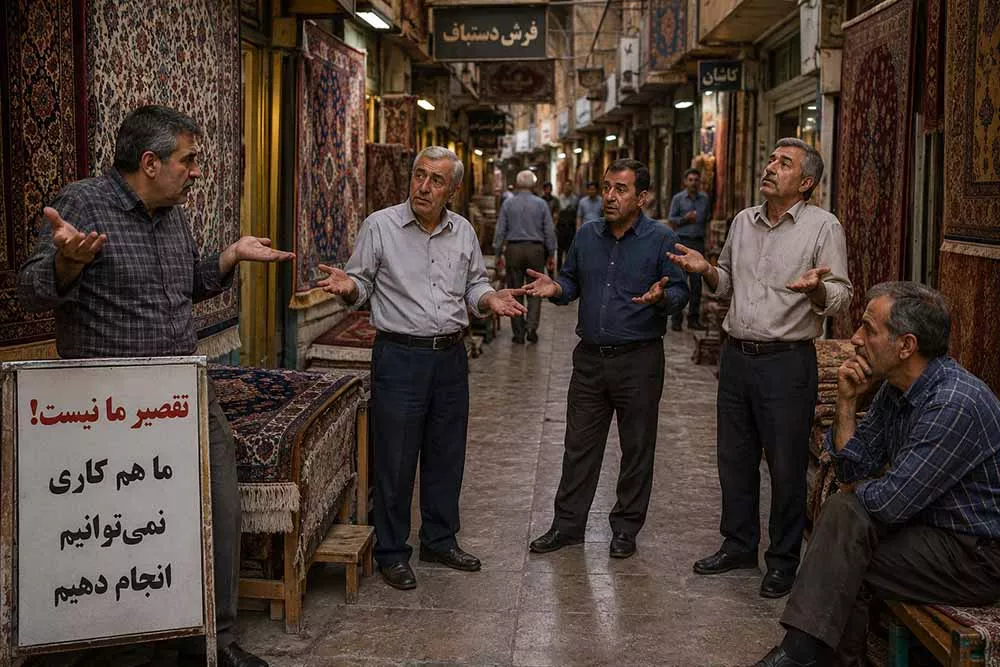
Image 3: The market is in a state of stagnation and passivity

In the years when many regional competitors have been able to consolidate and strengthen their position by relying on branding, digital sales development and targeted presence in international markets, persian handwoven rug are still involved in management changes, sectional policies and plans, a significant part of which have not been implemented. For years, solutions such as developing online sales, digital marketing and entering new markets have been repeated at the level of documents and programs, but in practice, their coherent and sustainable realization has been less seen. If these paths were actually implemented, persian handwoven rug would be at a different point from the current situation today; even despite pressures such as sanctions, war and economic fluctuations. At the same time, the few brands that have operated in a purposeful and structured manner have still been able to maintain their growth and sales path in these difficult conditions; an issue that shows that there was a possibility of movement, but it has not been achieved comprehensively

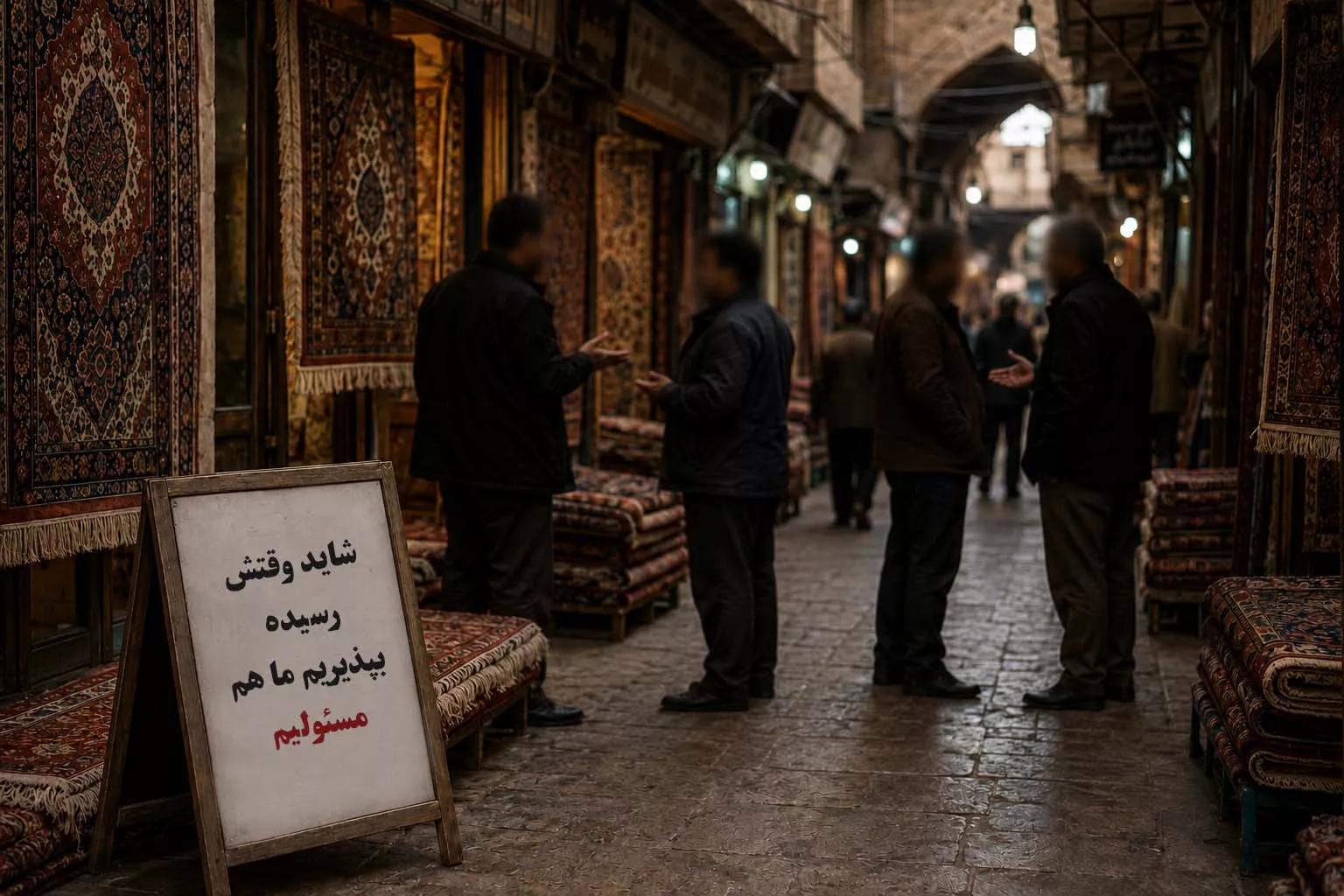
Ultimately, the continuation of this trend could have more serious consequences. If producers and market players continue to rely on traditional methods that are not suited to today’s conditions, the crisis of Iran’s handwoven rug will not be limited to the loss of markets; it will also gradually lead to the erosion of human resources and the decline of the weaving generation; an issue that could pose deeper challenges for the future of this art and culture. From this perspective, the current situation should be seen not just as a warning, but as a serious wake-up call to reconsider the current path

Now is the time for activists in the field of handwoven rug to overcome previous dependencies, personally take responsibility for reviving the status of this art and take the lead in transforming it. It seems that today, more than ever, the development of a common charter among unions, manufacturers, and sellers of handwoven rug has become an undeniable necessity; a charter that can provide the basis for the return of the true status and value of handwoven rug, protect their identity, and recreate the trust of consumers. This charter can be based on fundamental principles such as authenticity, transparency, and dignity; authenticity, in protecting the identity, history, and cultural roots of handwoven rug; transparency, in presenting the characteristics, quality, and real value of the work to the audience honestly and clearly; and dignity, in preserving the dignity and status of handwoven rug as a cultural, artistic, and identity-building heritage that is more than a mere commodity, but is part of the memory and culture of this land. Moving on the basis of such principles can be an effective step in restoring public trust and strengthening the position of handwoven rug among consumers and activists in this field. Also, in this context, for the return of persian rug to an investment product, it seems necessary to strengthen these principles and create transparent and reliable mechanisms for their valuation and supply

Figure 4: Rethinking our role in the current situation


Date: 1405/04/06 hour: 09:00 - 10:00 Creator: IranGuereh
1405/04/06
hour: 09:00 - 10:00
Creator: IranGuereh