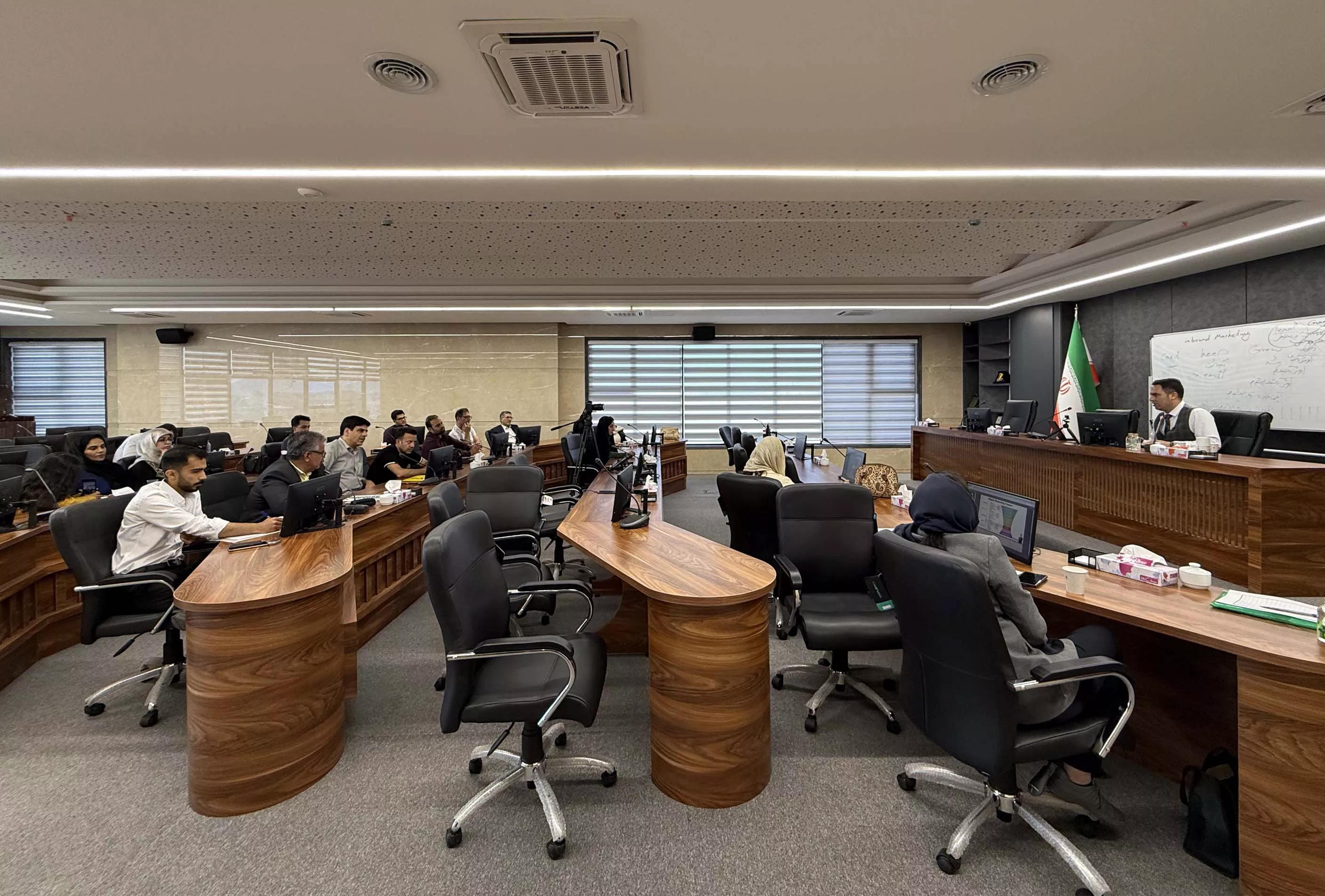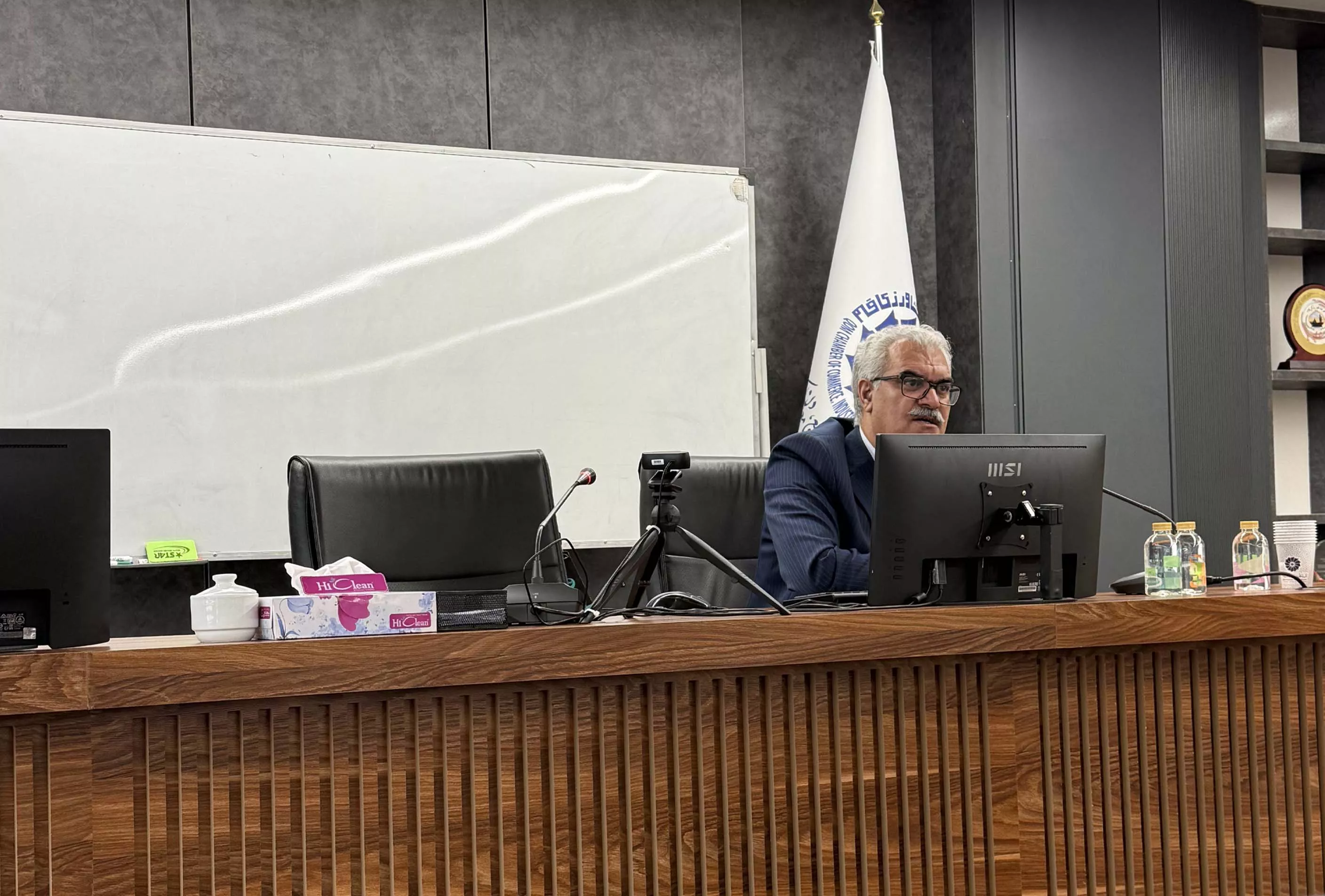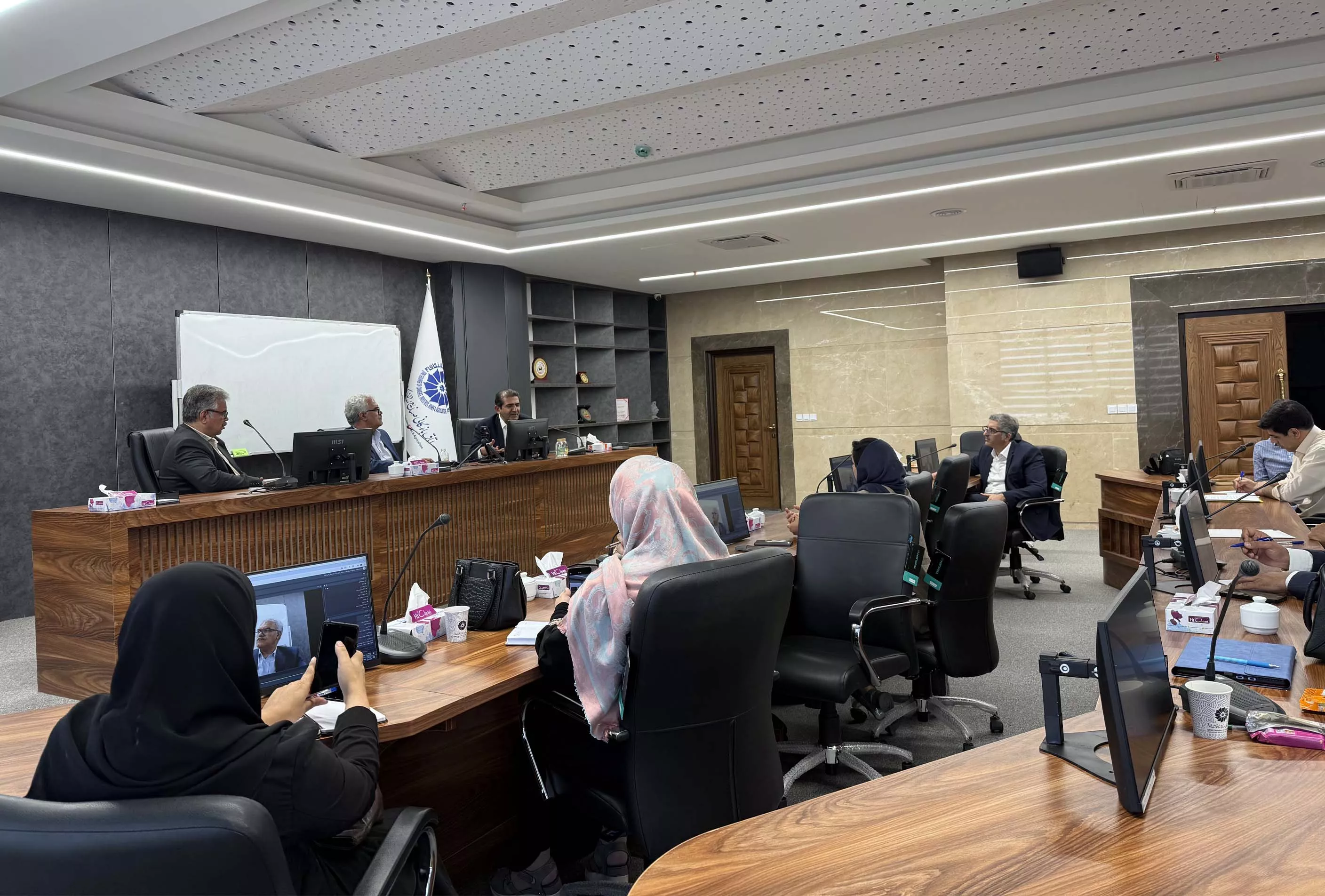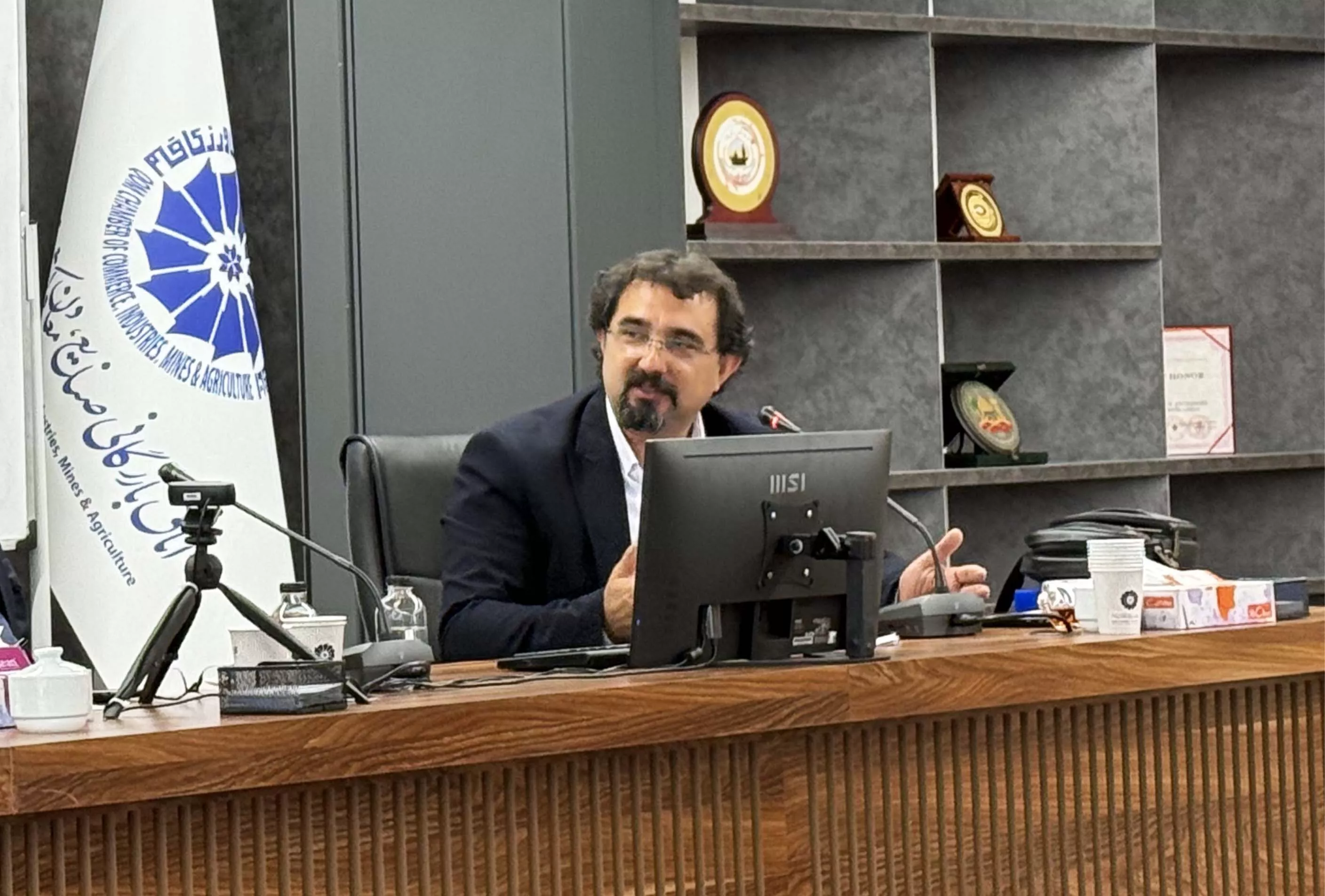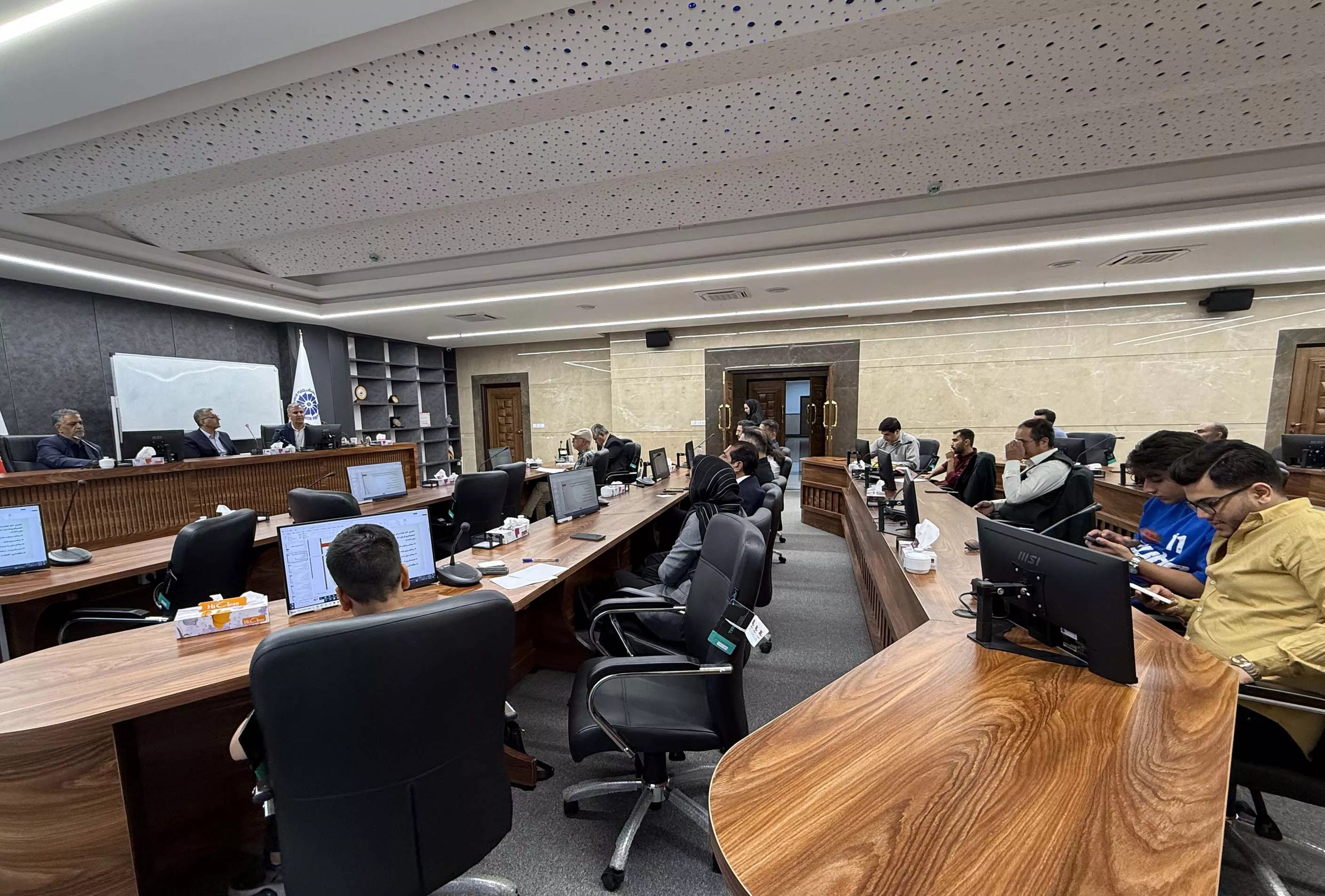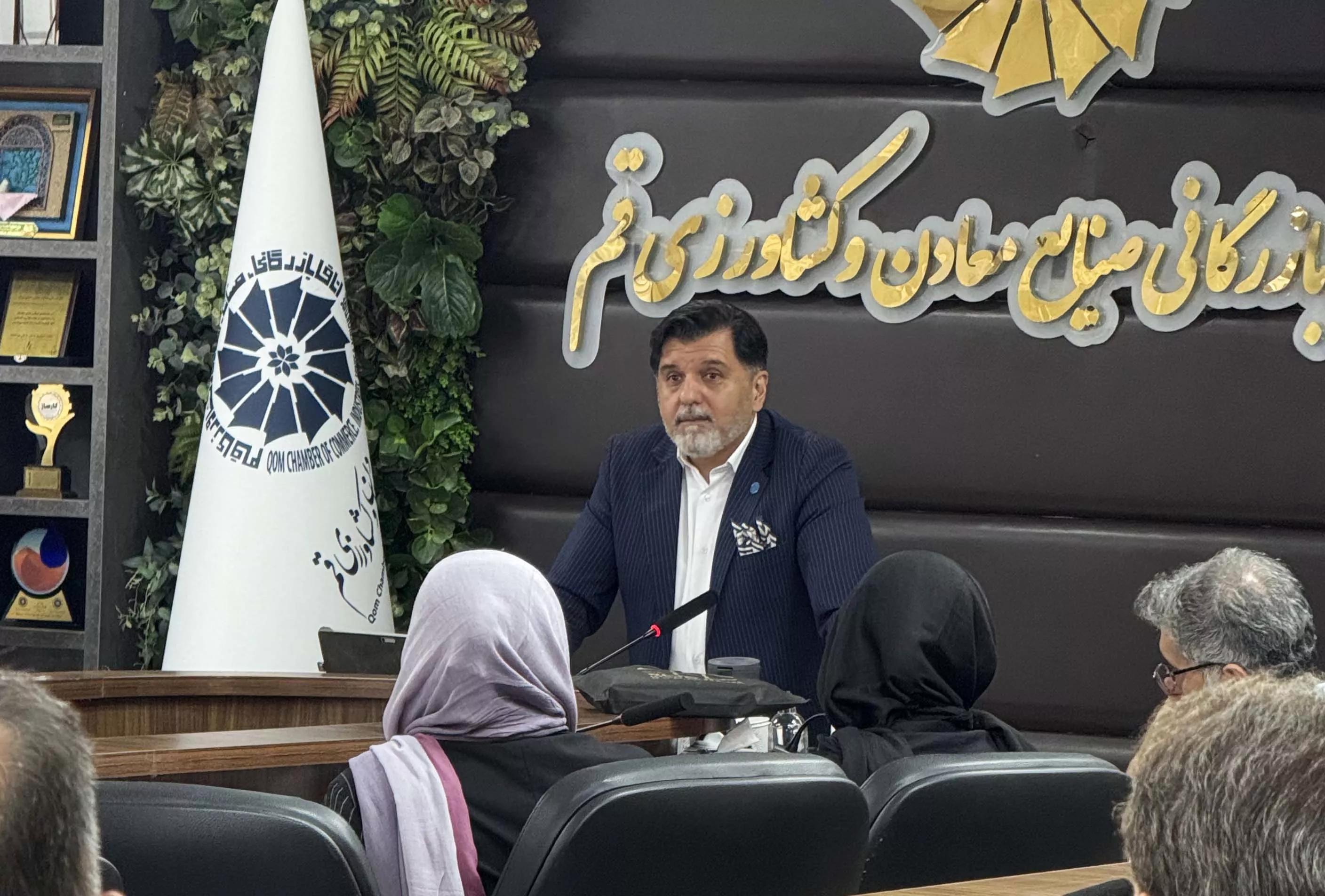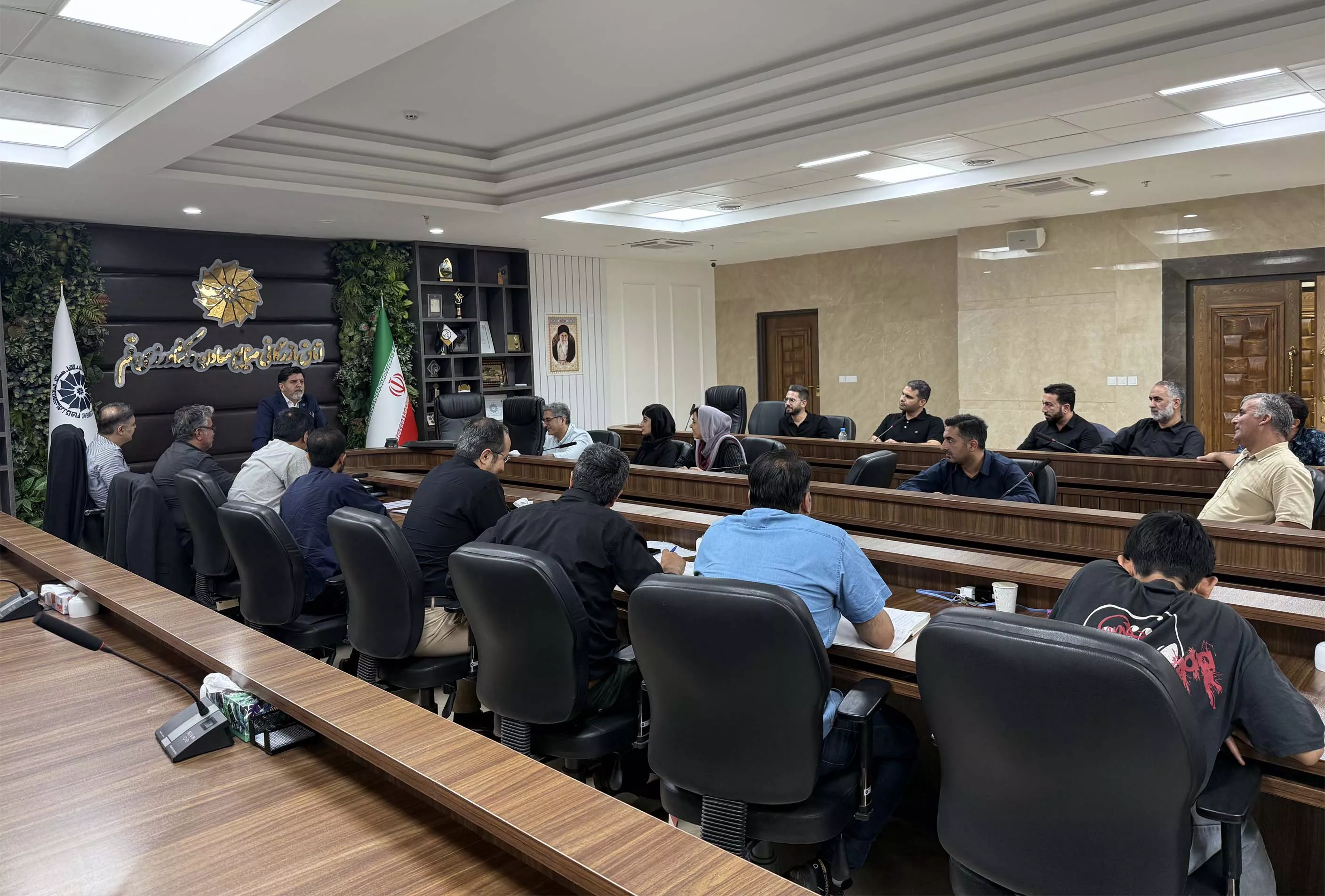
First session: Part 1: Examining issues of marketing and selling handwoven rug and presenting solutions, presented by Professor Mehdi Keshavarz Afshar
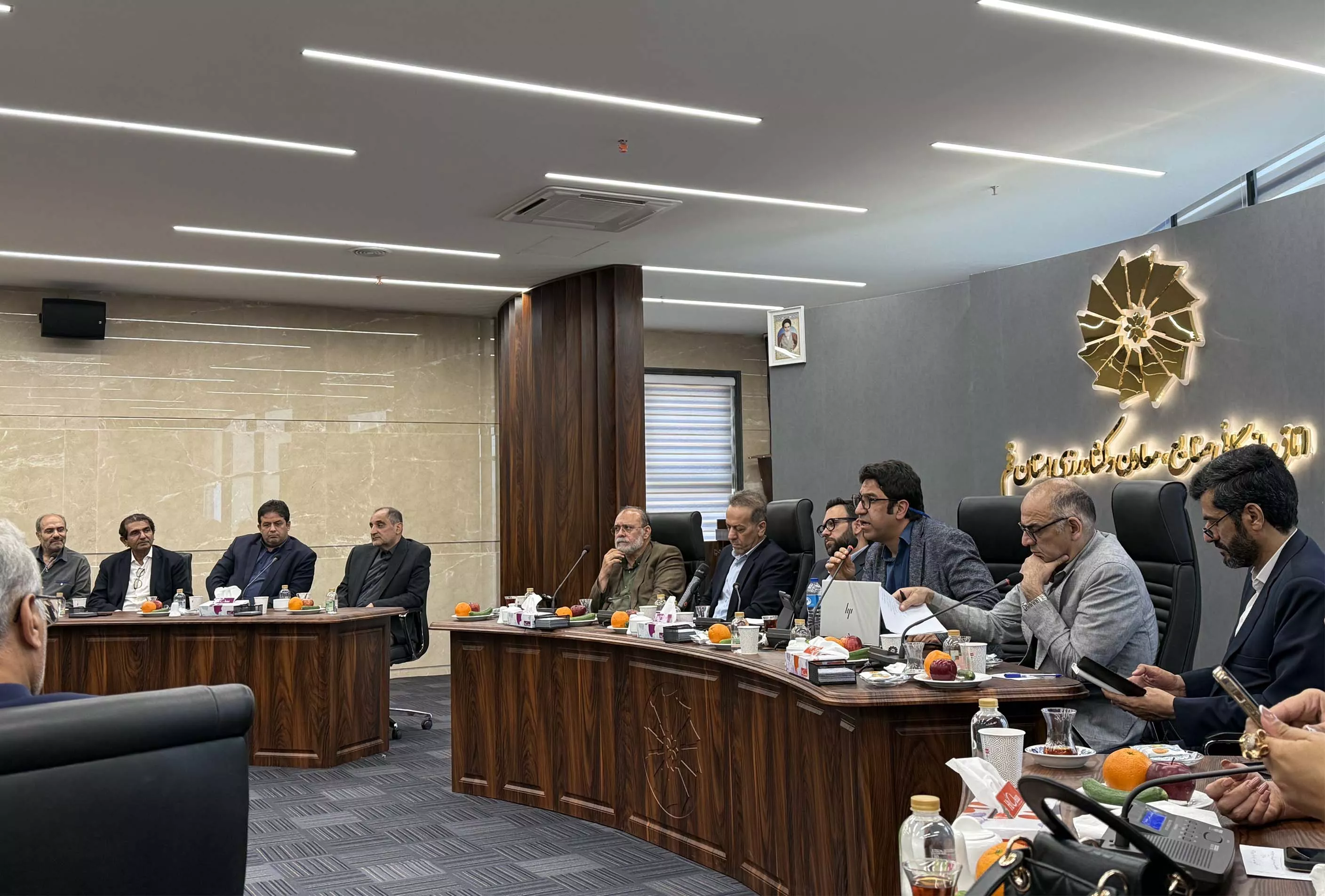
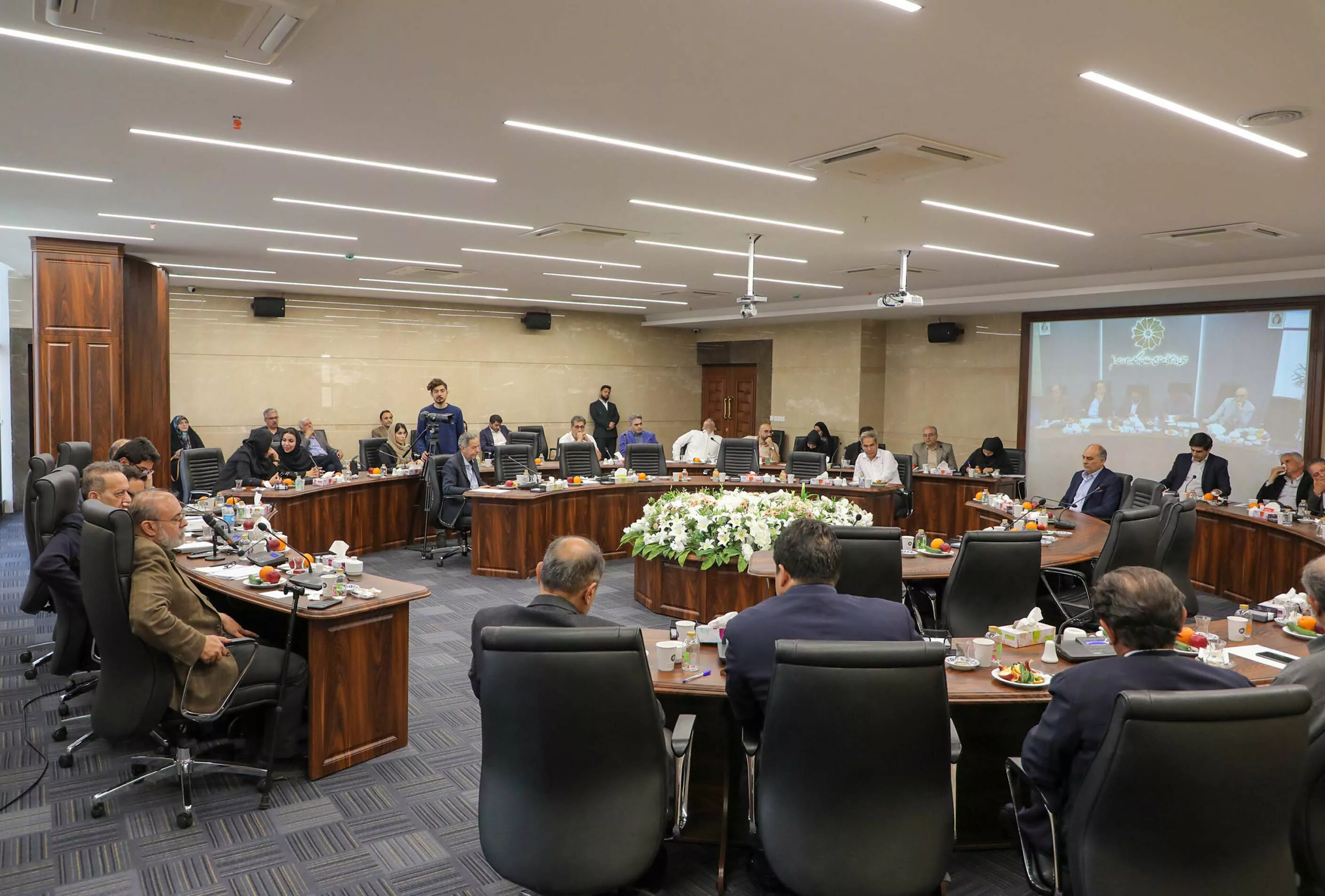
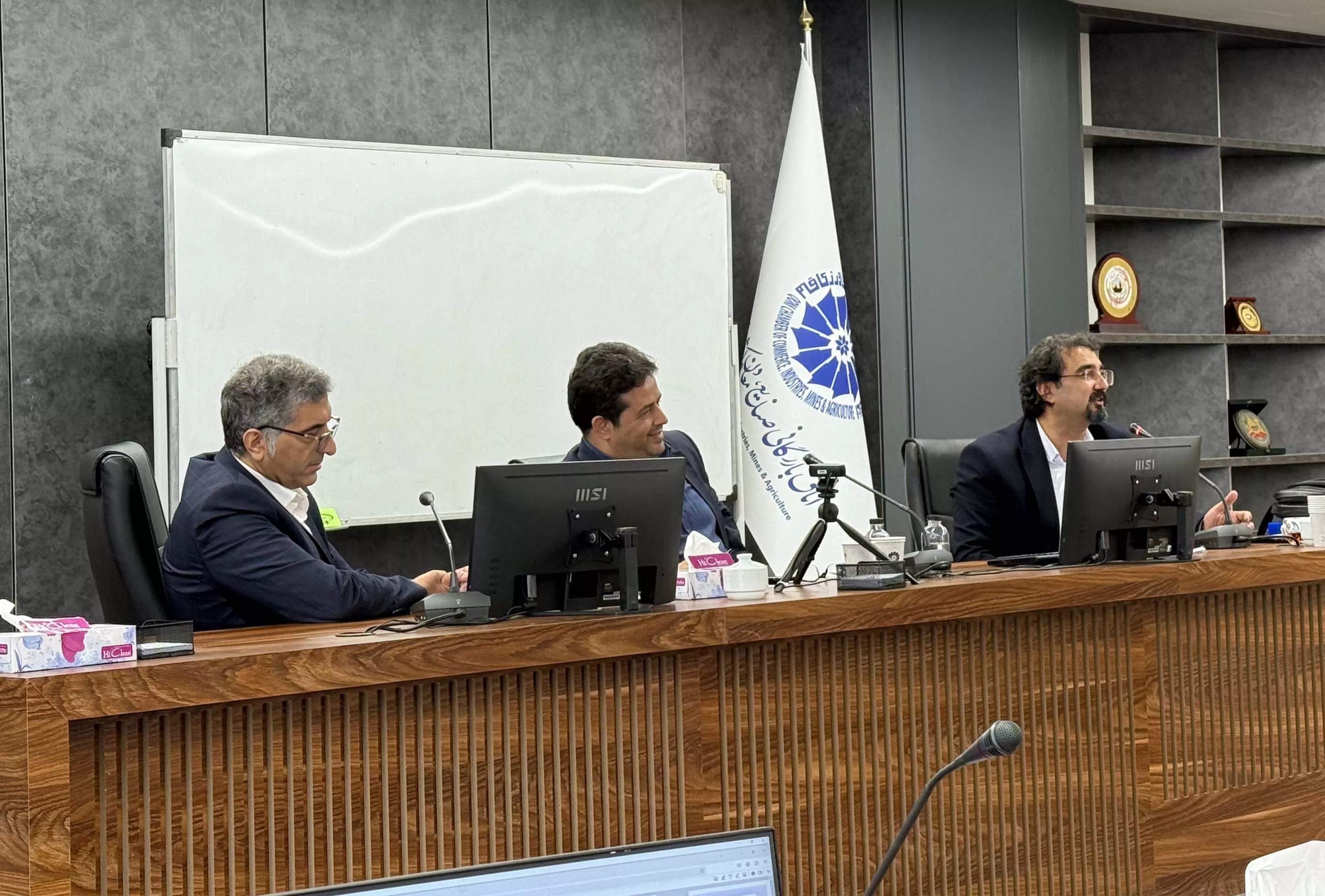
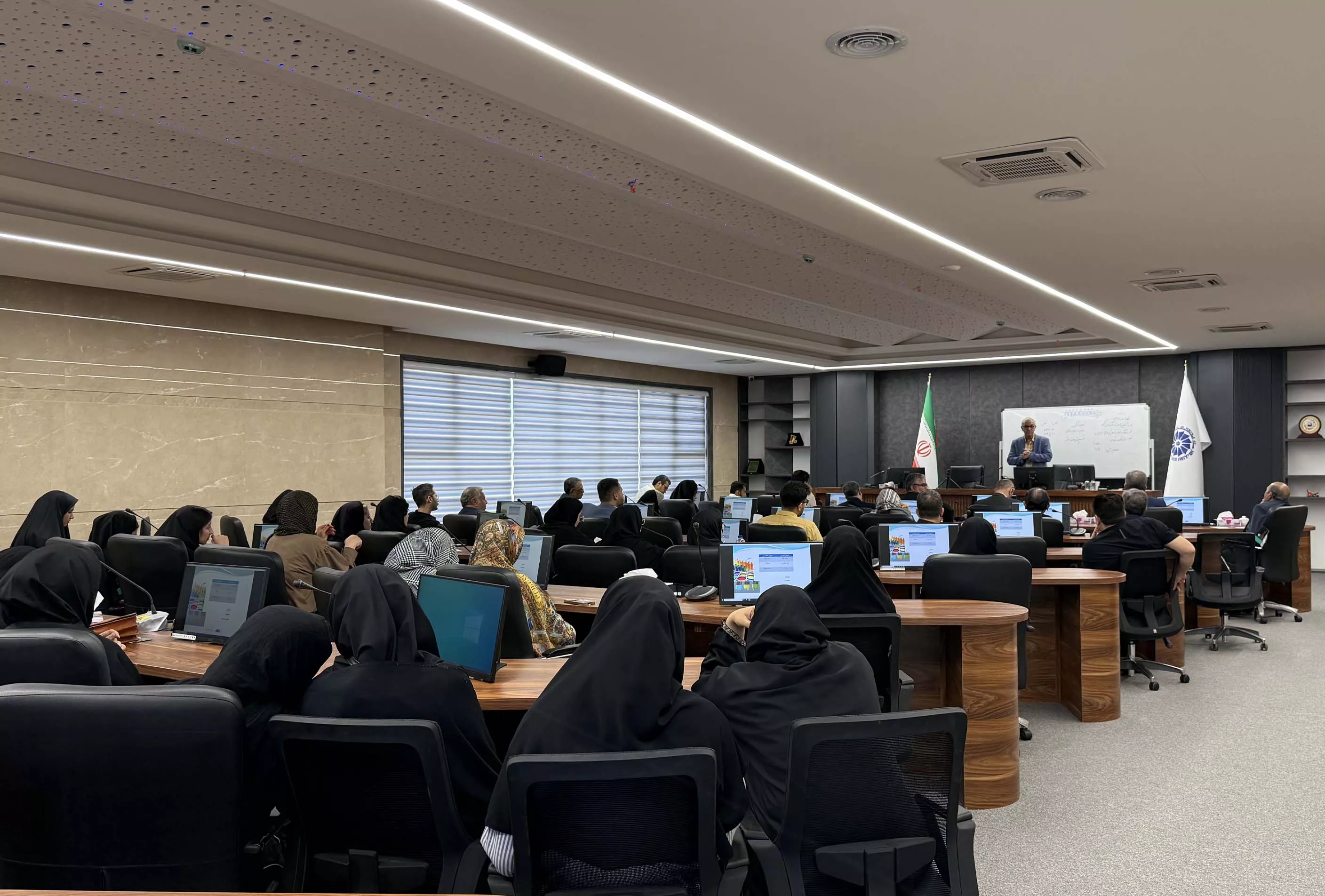
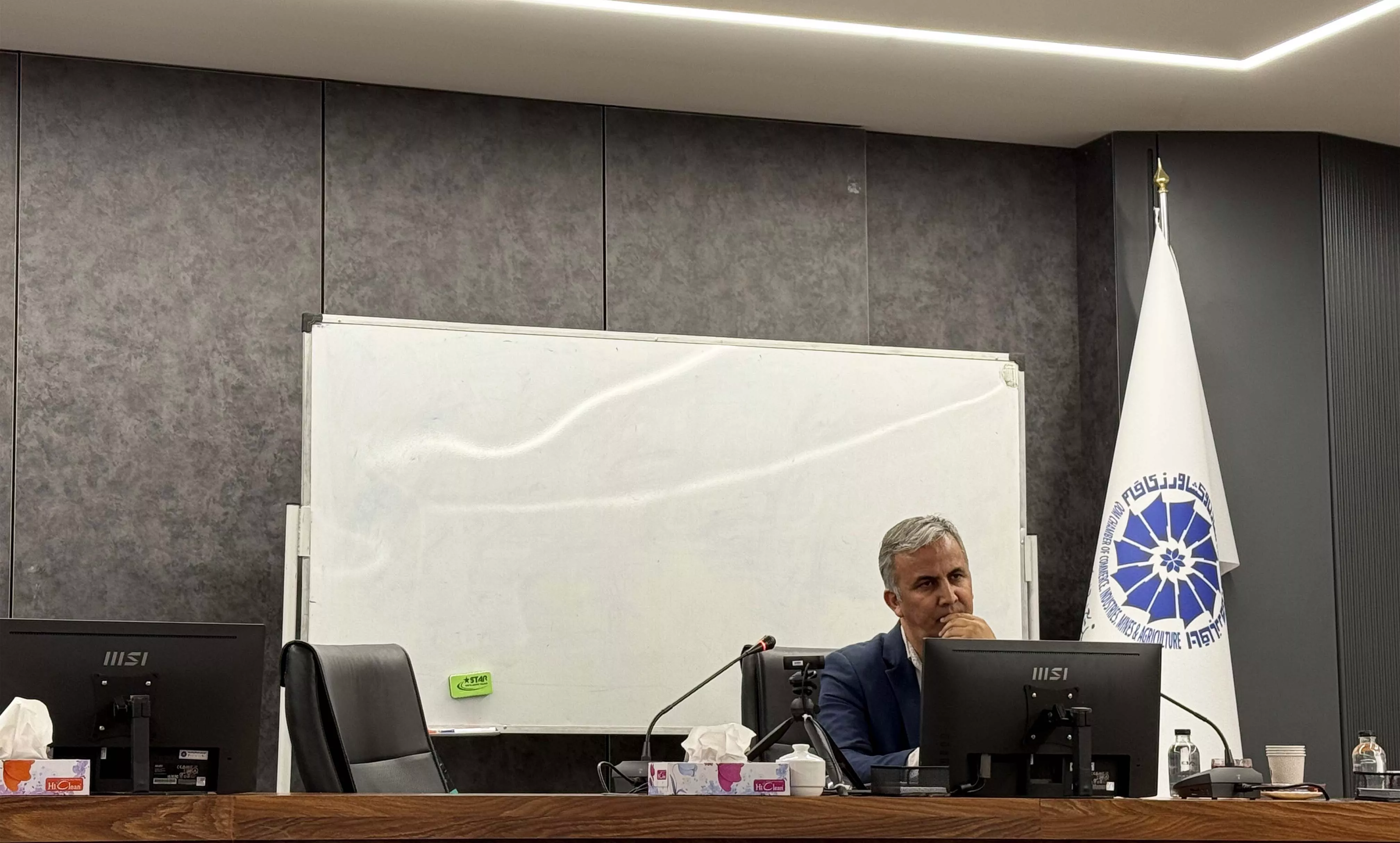
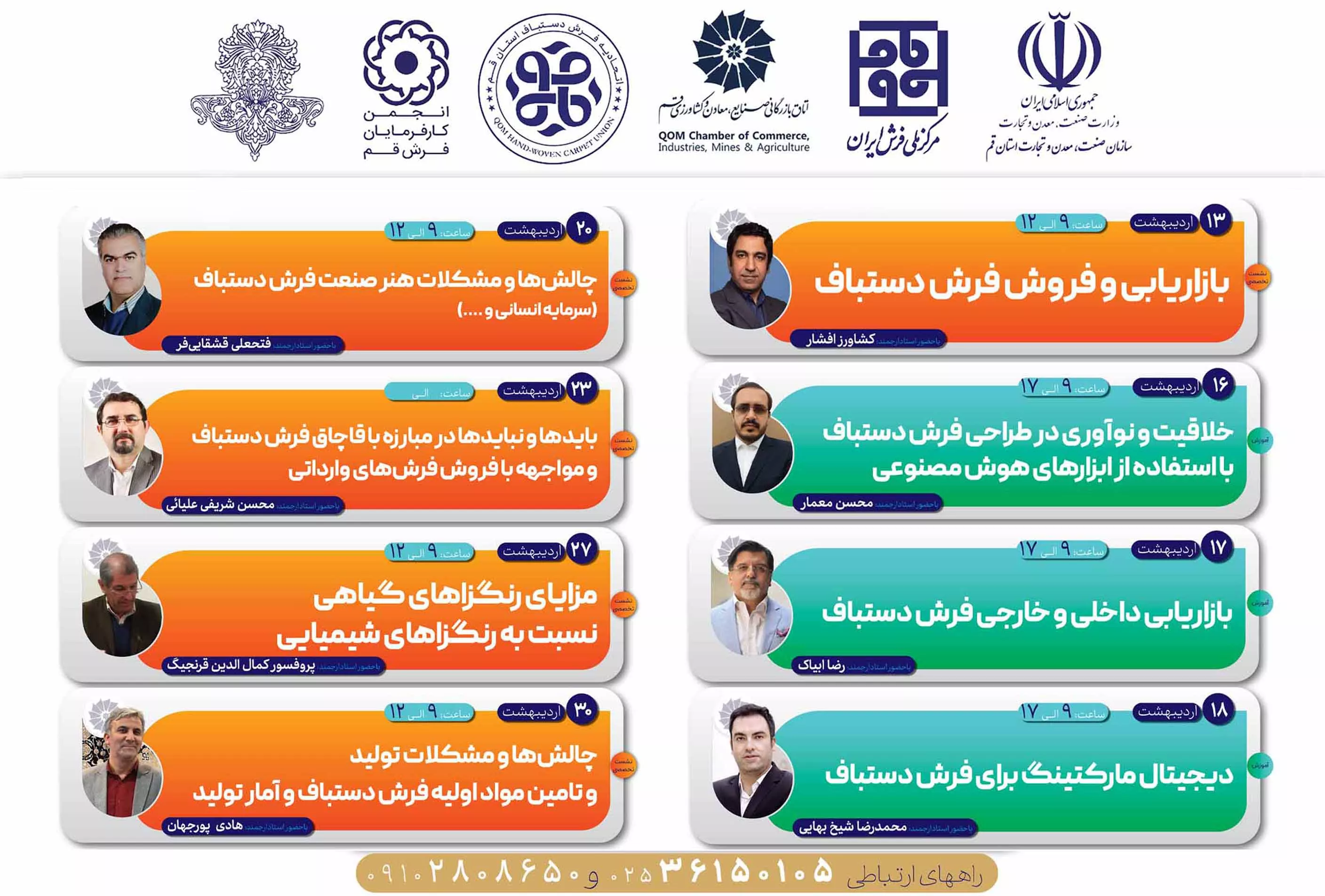
Saturday, May 3, 2025, was the first day of a series of specialized meetings on handwoven rug in Qom province, attended by the chairman of the Qom Chamber of Commerce, the head of the rug, Arts and Handicrafts Commission of the persian Chamber, members of the Qom Chamber's board of directors, the director general of industry, mining and trade of the province, prominent rug experts including Mr. Mehdi Keshavarz Afshar and Touraj Jouleh, and a group of activists and pioneers of the Qom handwoven rug region
At the beginning of the meeting, Javad Kazemi, a handwoven rug producer and member of the board of directors of the Qom Chamber of Commerce, welcomed the meeting and stated that the topic of marketing and sales was the main focus of the meeting and began the meeting
Mohammad Irani, head of the Qom Chamber of Commerce, assessed the situation of handwoven rug exports as undesirable. He believes that the change in consumption culture has removed handwoven rug from the category of capital goods. Therefore, he suggested that a transparent problem-solving be carried out in the field of handwoven rug and a suitable strategy and outlook be prepared for the post-sanctions era
Abolfazl Rajabian, a handwoven rug producer and member of the board of directors of the Qom Chamber of Commerce, considered the presence of the National rug Center of Iran in these meetings essential and expressed his dissatisfaction with the absence of the head of the National rug Center of Iran in this meeting
Morteza Miri, a member of the board of directors of the persian Handwoven rug Producers and Exporters Union, spoke at the regional handwoven rug event in Qom, saying that this is the first time that this important event is being held and can enhance the position of the province's rug at the national level. The formation of the rug Commission in the persian Chamber of Commerce, with the support of experienced activists, is a step towards giving priority to this industry in the country's economy. He continued by adding that the special attention of Qom officials to the development of this art is unparalleled and the efforts of the activists are commendable. This support by the Qom rug community shows the attention paid to this area and its economic importance
Alanour Tavakoli, the head of Iran's rug exporter, considered Qom rug to be one of the main pillars of the country's handwoven rug and attributed the decline in rug exports in recent decades to various factors, including domestic and foreign sanctions. He considered other factors such as changing consumer tastes and weak marketing and branding to be important
Masoud Sepehrzad, the head of the Tehran Handwoven rug Sellers Union, stated in relation to the topic of the meeting in line with the challenges of marketing and sales that there are several problems in the field of selling handwoven rug, some of the most important of which are the existence of foreign and domestic sanctions, especially domestic sanctions, the decrease in global demand and the increase in the production of persian handwoven rug, the repetitiveness of designs and the lack of attention to customer tastes, the lack of government support for handwoven rug, changing lifestyles and the young generation's reluctance to buy handwoven rug, the high price of handwoven rug due to the increase in the price of raw materials, the decrease in skilled weavers and the withdrawal of the young generation from the field of handwoven rug, the time-consuming production and the decrease in the speed of supply, the lack of branding and the lack of international channels
Akbar Abdali Mohammadi, head of the Qom Provincial Industry, Mine and Trade Organization, referring to his presence at the meeting to review issues and problems in the handwoven rug sector, stated that the purpose of his presence was to benefit from a training course related to this field. In response to Mr. Rajabian's criticism of the absence of the head of the National rug Center of Iran, he explained that Ms. Kamani's absence was due to the late invitation of the organizers and its coincidence with a strategic meeting with the minister on Saturdays. According to him, Ms. Kamani apologized for her absence and announced that she would attend one of the five upcoming meetings, other than Saturdays. He continued by appreciating the cooperation of the Chamber of Commerce in implementing this regional event and expressing hope that holding such meetings could be beneficial and effective for the handwoven rug community of Qom Province and the entire country. Akbar Abdali Mohammadi, head of the Qom Provincial Industry, Mine and Trade Organization, referring to his presence at the meeting to review issues and problems in the handwoven rug sector, stated that the purpose of his presence was to benefit from a training course related to this field. In response to Mr. Rajabian’s criticism of the absence of the head of the National rug Center of Iran, he explained that Ms. Kamani’s absence was due to the late invitation of the organizers and the fact that it coincided with a strategic meeting with the minister on Saturdays. According to him, Ms. Kamani apologized for her absence and announced that she would attend one of the five upcoming meetings, other than Saturdays. He further expressed his appreciation for the cooperation of the Chamber of Commerce in organizing this regional event and expressed his hope that holding such meetings could be beneficial and effective for the handwoven rug community of Qom province and the entire country
Touraj Jouleh, a researcher and expert on handwoven rug, emphasized that forming a think tank with the presence of prominent people in this field is essential to examine and solve the problems of handwoven rug. He believes that all planning and decision-making related to this field should be made in this think tank, and in Qom province, this is of particular importance
According to the pre-determined schedule for this regional event, 60 minutes of the session was to be dedicated to the lecturer’s speech, followed by 2 hours for interaction and dialogue between the participants and producers in Qom province. However, the program did not go as expected, and in practice, the first 1 hour of the session was spent on the speeches of the invited guests. This significantly reduced the lecturer’s speech time to only about half an hour. Therefore, there was not enough time to fully utilize the lecturer’s research, and the useful time for constructive discussion among the attendees was also reduced
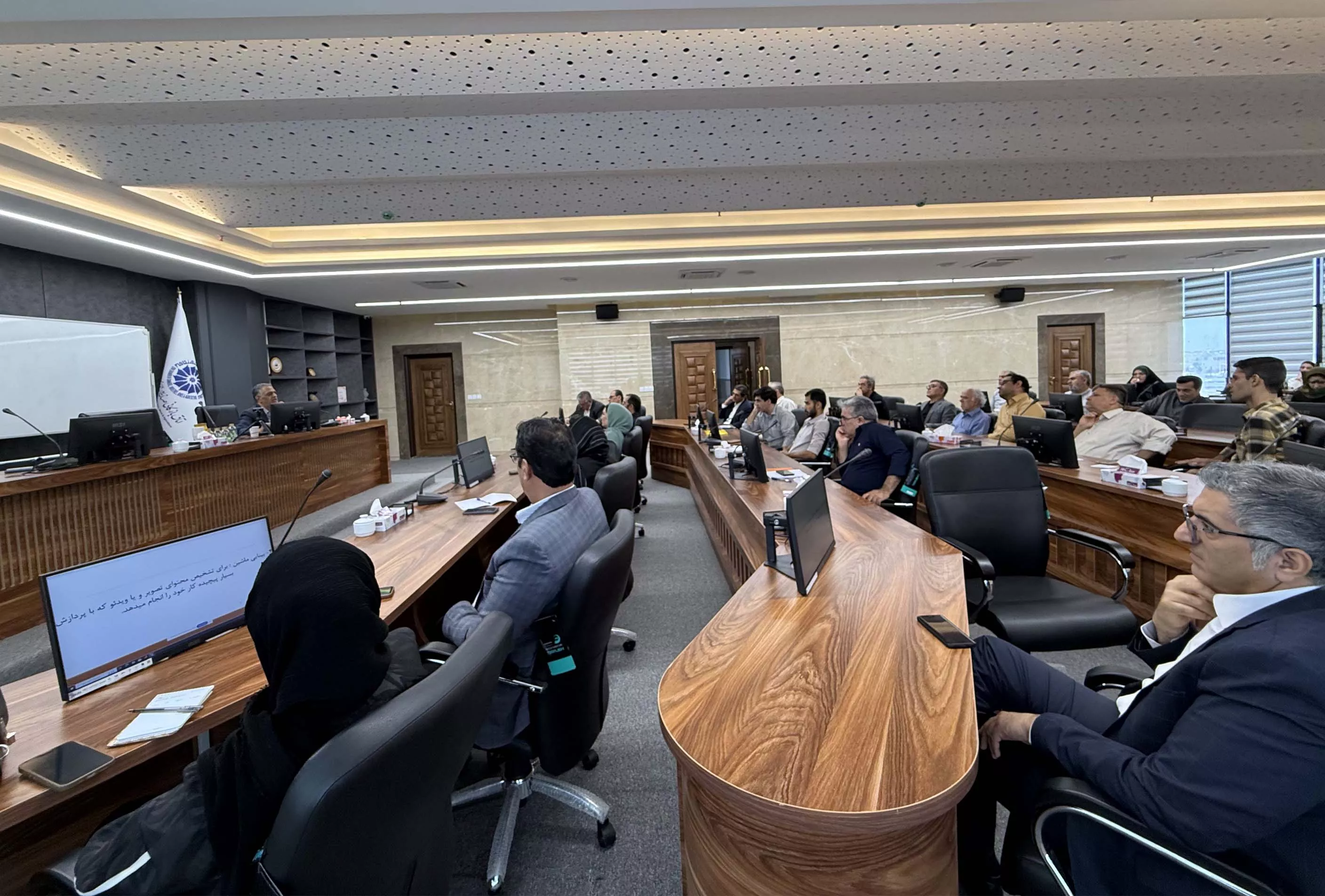
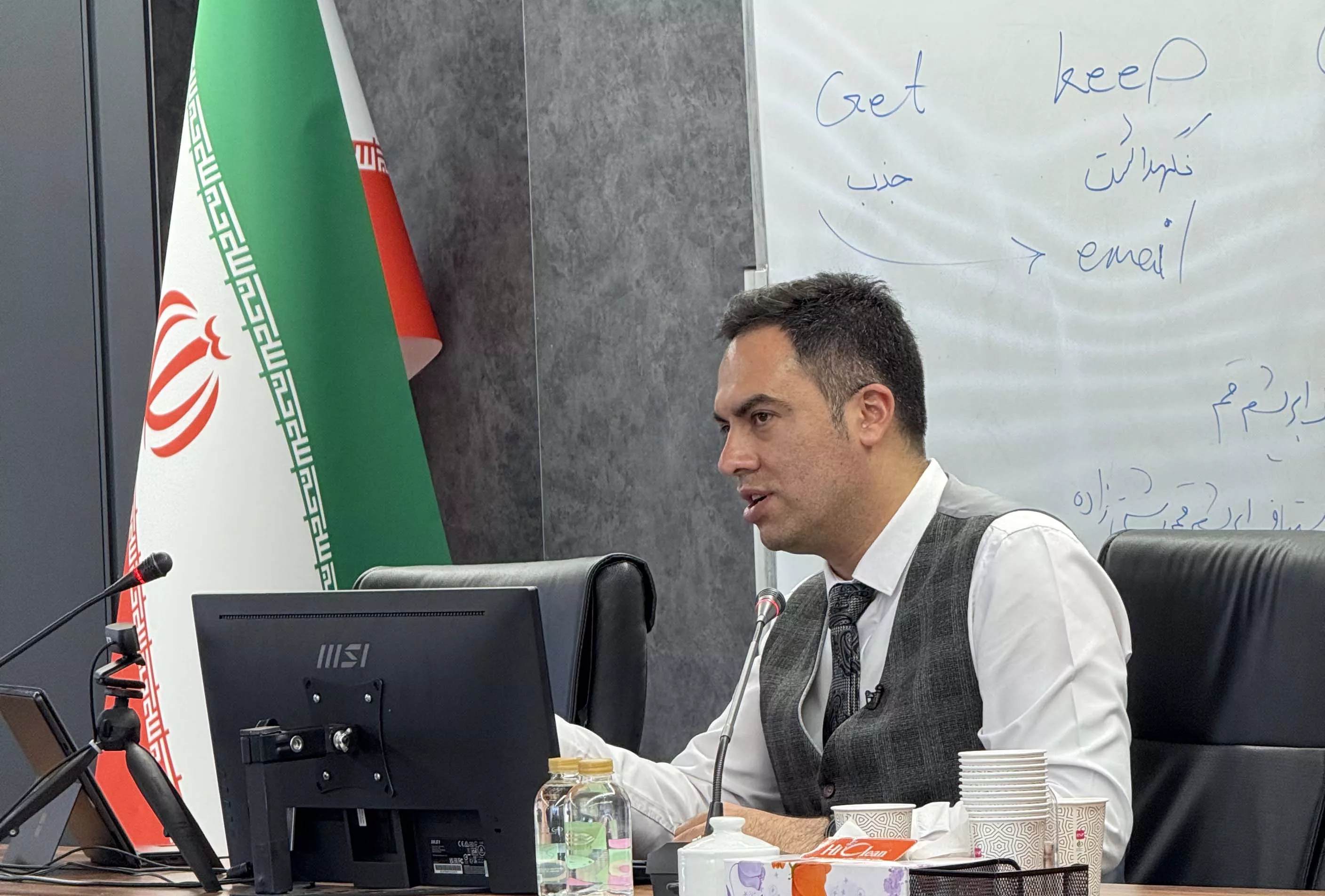
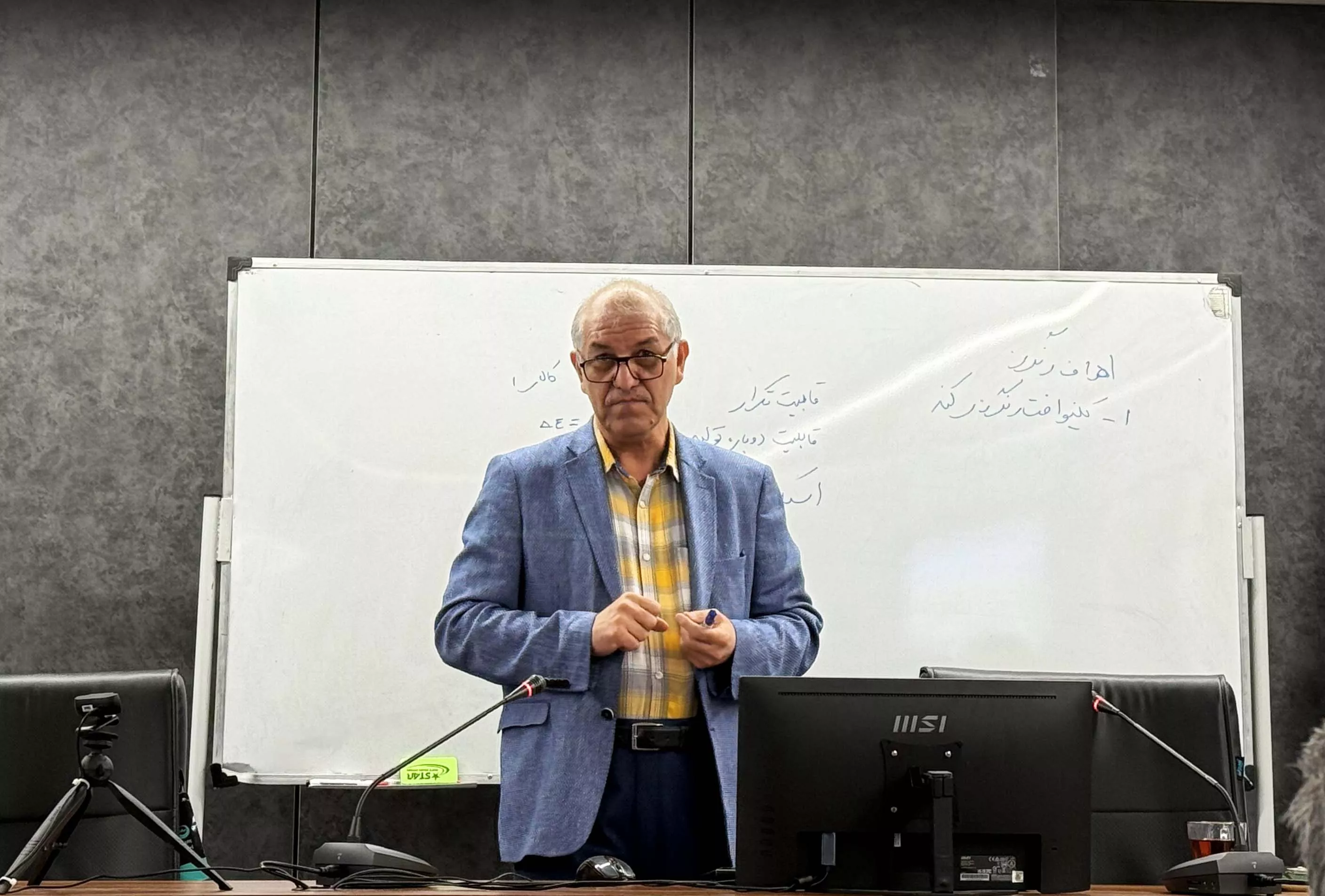
Next, according to the previous plan, Professor Mehdi Keshavarz Afshar presented a PowerPoint presentation and addressed the problems and challenges of marketing and selling handwoven Qom rug as follows
Mehdi Keshavarz Afshar, a faculty member at Tarbiat Modares University, in his speech on the pathology of handwoven rug in Qom, stated that the main problems of handwoven rug in Qom in terms of marketing and sales are the lack of transparency of the price of handwoven rug in the market, the lack of accurate and precise information about the characteristics of the rug, the failure to hold proper art exhibitions to present handwoven rug in Qom, the failure to produce correct content from rug and their artists and publish it in cyberspace. He added that the art market in general, and the handwoven rug market in particular, suffer from significant ambiguity and lack of clarity. Referring to the multifaceted nature of handwoven rug, he considered them a combination of culture, a work of art, and a luxury item, which he examined with the approach of creative industries. He then referred to creative industries and their role in the economy, and introduced them as part of the economy of creation, production, and distribution of cultural and artistic products and services. He then addressed the numerous and complex challenges facing the handwoven rug sector in the form of creative industries
Among the challenges raised are the following
Subjective values: He addressed the issue of subjective valuation in handwoven rug and emphasized that the value of a handwoven rug is not defined solely on the basis of its tangible, technical, and functional characteristics, but rather subjective and cultural factors also play a role in determining its value. This makes calculating and determining a fair price more complicated
Intellectual Property and Rights Infringement: With digitalization and easier access to artworks, he emphasized the increasing risk of copyright and intellectual property infringement in this area. This poses serious problems for artists and handwoven rug producers and requires appropriate legal measures and solutions to protect their rights
Interaction between artistic originality and economic justification: He emphasized the importance of interaction between artistic originality and economic justification in the field of handwoven rug. That is, artists and producers must pay attention to both the artistic quality and originality of their work and not neglect its economic aspect. This interaction is a two-sided challenge and requires interdisciplinary and innovative solutions
Mr. Keshavarz Afshar's remarks reflect the complexities and numerous challenges in the field of handwoven rug and the necessity of paying attention to its various aspects, including cultural, artistic, economic, and legal aspects. These challenges require closer examination and the provision of innovative solutions to solve them