The film “The Wind Road” is made by Tabrizi, one of the special experiences of Iranian cinema, which removes the border between the seventh art and the old art of the carpet. The film appears to be a simple and intimate narrative of two different cultures, Iran and Japan, but in its depth, it takes the audience to the Iranian rug world in the traditional context of Isfahan and shows how it introduces a part of our lives and culture of Iranians..
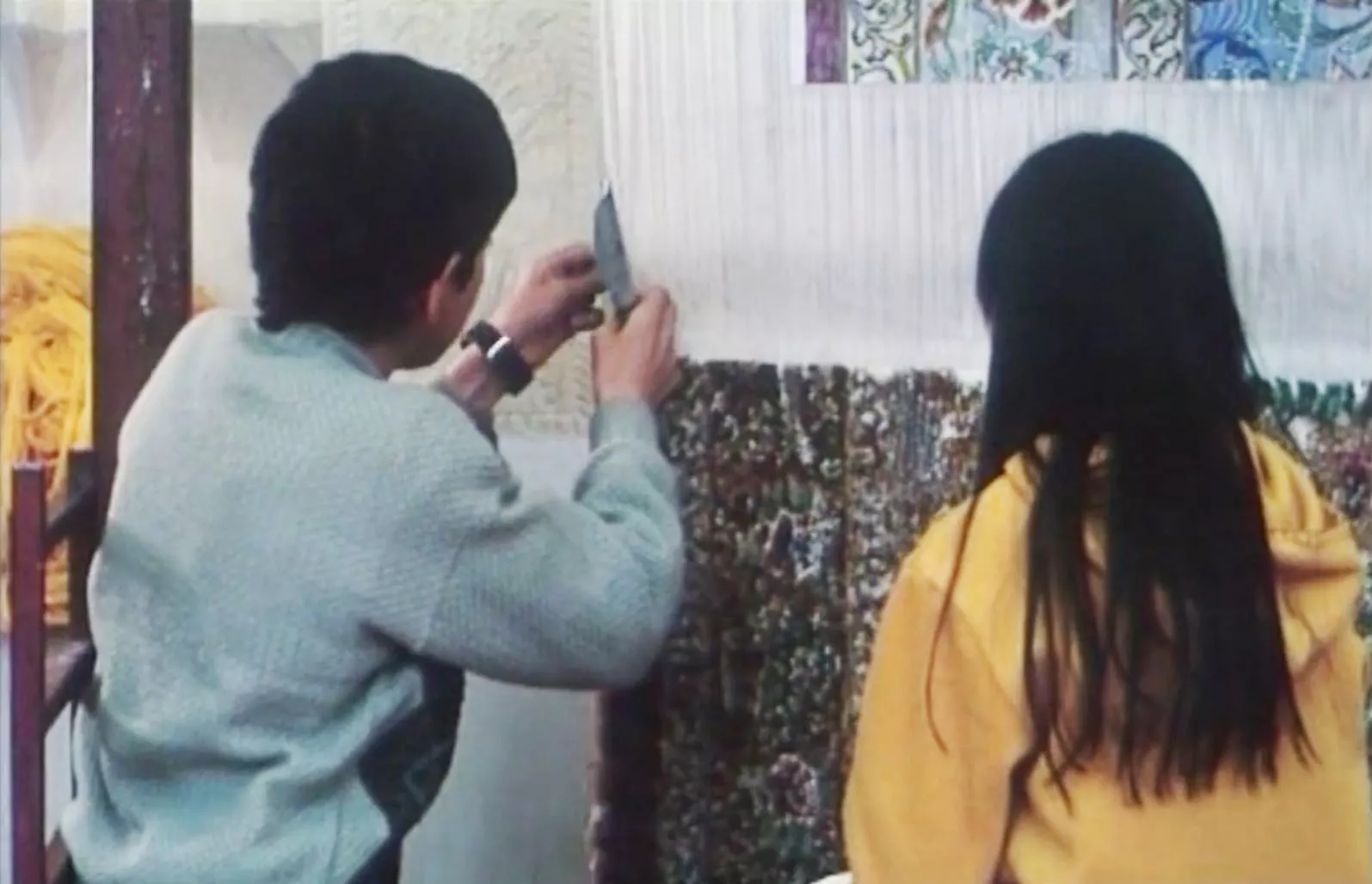
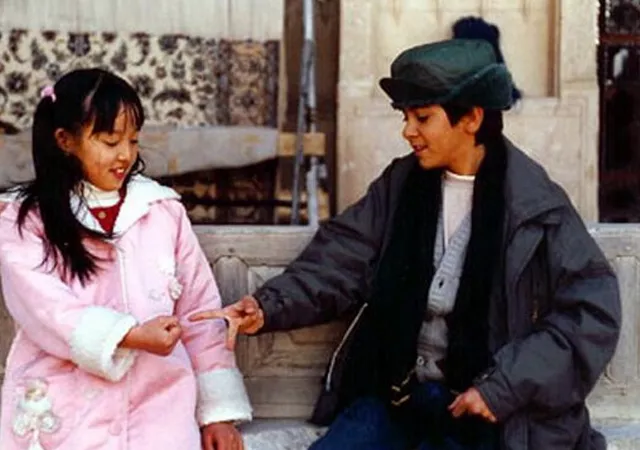
A picture of Akbar and Makoto in the movie Wind Watching the Wind is an experience like looking at a original rug: Every time you see it, you discover a new meaning. Meaning transcends purely physical functions, meaning rich in culture, memory and human bonds; meaning that, although rooted in Iranian soil, its message and beauty has passed through the borders of our land.. In addition to the fact that carpets represent Iranian culture, in an uninhabitable way, memory is the moments of life, and that is what distinguishes it from any other handmade.. A poetic language film depicts these spiritual functions. When characters face rugs, they experience something beyond blur: originality, thought, eternity. One of the most beautiful moments in the film is where it is said: “Our thinking in an Iranian rug can live for up to 100 years.” This simple sentence is actually an Iranian philosophy. Each node that is placed on the tar and the carpet carries the thought, the taste and belief that it is transferred to another generation. 2 A picture of Sakura and Day when it comes to the carpet. Meanwhile, Japanese girl’s presence, Sakura, adds an emotional and human layer to the story. He is a stranger in an unknown land at first, but he slowly becomes Iranian. For Sakura, Iranian rugs, designs and colours are bridged between him and the memory of his lost mother. The moments he spends with the role and character reminds the audience of the fact that hand-made rug can be even a language for dialogue with the past and reminders. This experience may be familiar to many of us: watching carpets or sitting on carpets and drowning in their designs and roles, without knowing why, link us to memories and emotions that are not treasured in any other language.. Image 3 from Sakora and Rose in Wind “The wind outlet reminds its audience that the rug can be a reminder to browse memories and even cures for loneliness. Watching the film, like touching the Perezs of a newly woven rug, has a living and warm sense, a sense that keeps the audience rethinking at their glance to the hand rug under the supervision of a loan.. At the end of the day, you can say, “The Wind is a journey in the Iranian culture. A trip from Isfahan to Japan’s Nakayama, but eventually returns to where it has always been our home: to the heart of the Iranian handmade rug..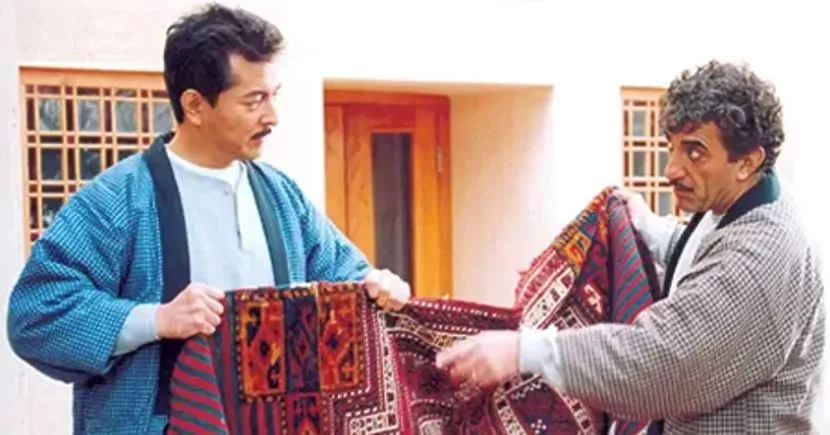
User comments
0 Comment
Post your comment