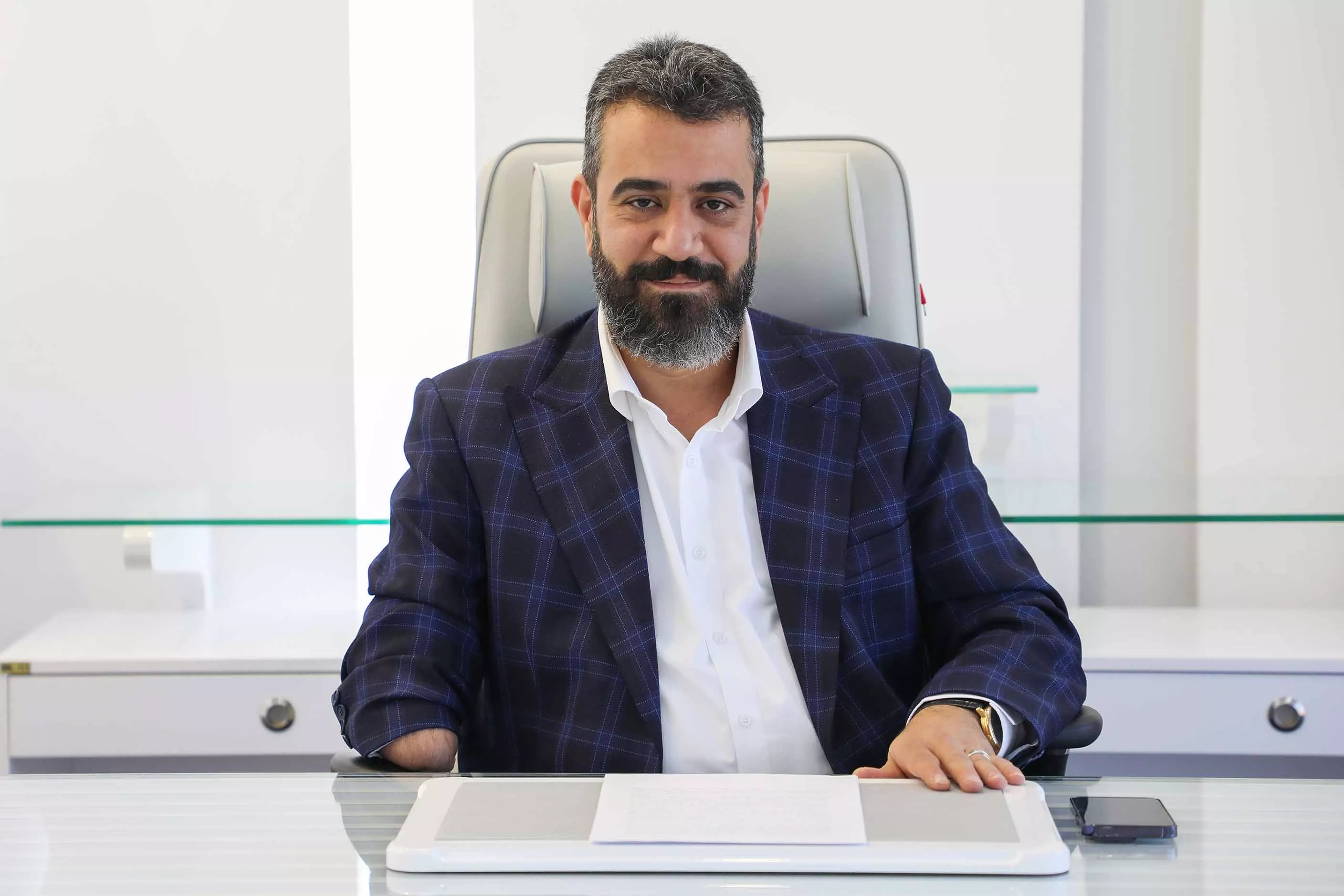
Talk to Iranian Muhammad, head of the Chamber of Commerce, Industries, Mines and Agriculture In this number of the “super eye” section, we moved to Iranian Muhammad, head of the Chamber of Commerce; a manager with the education of metallurgy engineering and the Master of corrosion engineering who has been active in the private sector and in the field of industry and production, especially the polymer industry. He has a history of CEO management, membership and chairmanship of several manufacturing and industrial units, and his career path from the heart of the industry and economic associations, a path that has finally taken into account with the confidence of the economic activists of the province.. Iranian Muhammad is a representative of a generation of private sector managers who have looked at hand rugs not from a purely artistic angle but from the perspective of economics, market and policymaking. The same approach specifies the framework of our dialogue: Iranian handmade rug as a cultural-economic sphere that requires structural reform and look to survive..
Image 1: Iranian Muhammad, head of the Chamber of Commerce A more strategic place of hand-made rug in the structure of the Chamber of Commerce According to him, today’s handmade rug has found a more strategic and structured place in the economic priorities of the trading room. This change is not just at the level of the slogan, but also reflected in the management composition of the room, in a way that two members of the board are members of the room’s head of veteran activists and pro-exitans of the province’s hand-made rug and country. In his belief, the same presence causes hand-made rug issues to be followed by a deeper understanding.. In this framework, the Chamber of Commerce has enabled the activation of “the Commission of Carpet, Art and Craft of Hand,” a commission that, along with the Hand-made Union of rug exporters, is tasked with the specialized number of challenges, the formulation of undergraduate comments and the consistent transfer of demands to provincial and national assemblies.. Practical measures and follow-up axes. Iranian Muhammad emphasises that the Chamber of Commerce through the Carpet and Union Commission of Exports, is active at meetings and specialized assemblies related to hand-made rugs at the provincial and national level, and the views of hand-made rug activists are directly transferred to decision-makers.. Among the serious axis of room activity, the demand for the creation of permanent hand-made carpets exhibitions in Iranian embassies in target countries and the pursuit of this issue of the Deputy Secretary of State, facilitating the presence of producers and exporters in domestic and foreign exhibitions, as well as reducing the currency obligations of hand-made rug exporters.. His stated goal is clear: removing non-commercial barriers from the export route to the manufacturer and merchant can be present with economic logic in the target markets.. Analysis of market weaknesses; a set of interconnected shortcomings According to the head of the Chamber of Commerce, the weakness of the hand rug market cannot be reduced to a factor. He speaks of a series of flaws.And: Many brands are not seen and market share decreases.. Along with these issues, pricing policies and pressures caused by currency regulation have also made hand-made rug exports in many non-economic cases.. He defines the role of the Chamber of Commerce in this regard, more than anything in the sphere of facilitation and demand: on the one hand, to provide the field of presence in the target markets and exhibitions, and on the other, to pursue the reform of regulations and hold specialized training courses in the field of marketing, digital marketing and the application of new technologies for handmade rug activists.. Image 2: A meeting of the challenges of hand-made rugs in the Chamber of Commerce A hand-made rug, not just a consumer, not an attractive past. In response to the question of why hand-made rugs have become a consumer commodity, Iranian Muhammad offers a double view. In his view, Iran’s hand-made rug, and especially the exquisite silk rug, is simply consumer goods because the increase in production costs, shortage of skilled manpower, the problems of supply of raw materials and the drop of exports, has greatly increased the price and the possibility of traditional shopping for a large part of society has declined.. At the same time, he admits that another hand-made rug, like the past, is not an attractive asset. In addition to economic factors, a lack of sync with market tastes, a reduction in the power of competition with other industries and the expansion of new financial markets has made investors more diverse and more profitable options. If hand-made rug does not adapt to the new logic of the market, it is natural to leave the portfolio of investments.. change of sight; return to the right place. Iranian Muhammad, the most important change required for the future of hand-made rugs, sees "reform" at three levels of class, market activists and decision-makers. In his view, he must pass through a purely traditional and conservative view and view hand-made rug as a cultural-economic sphere with global market logic.. This change means acceptance of transformation in design, marketing, sales practices, and even governance models. At the same time, decision-makers must also accept that they cannot be revived by strict and untrusted regulations.. To return the share of hand-made carpets in the economy, exports and employment, he emphasized that the production path should be facilitated to the market, currency and trade policies are amended with the actual nose, and the private sector is recognized as the main partner in decision-making.. Vision of the Chamber of Commerce In collecting his view, the future of hand-made rugs is defined not in returning to the past, but in compliance with today’s rules of the global economy.. If hand-made rug is seen as a cultural-economic sphere, if policy barriers are reduced and if the private sector is in the decision-making center, it can be expected that the art will find a place again in proportion to its capacity in the country’s economy and global markets..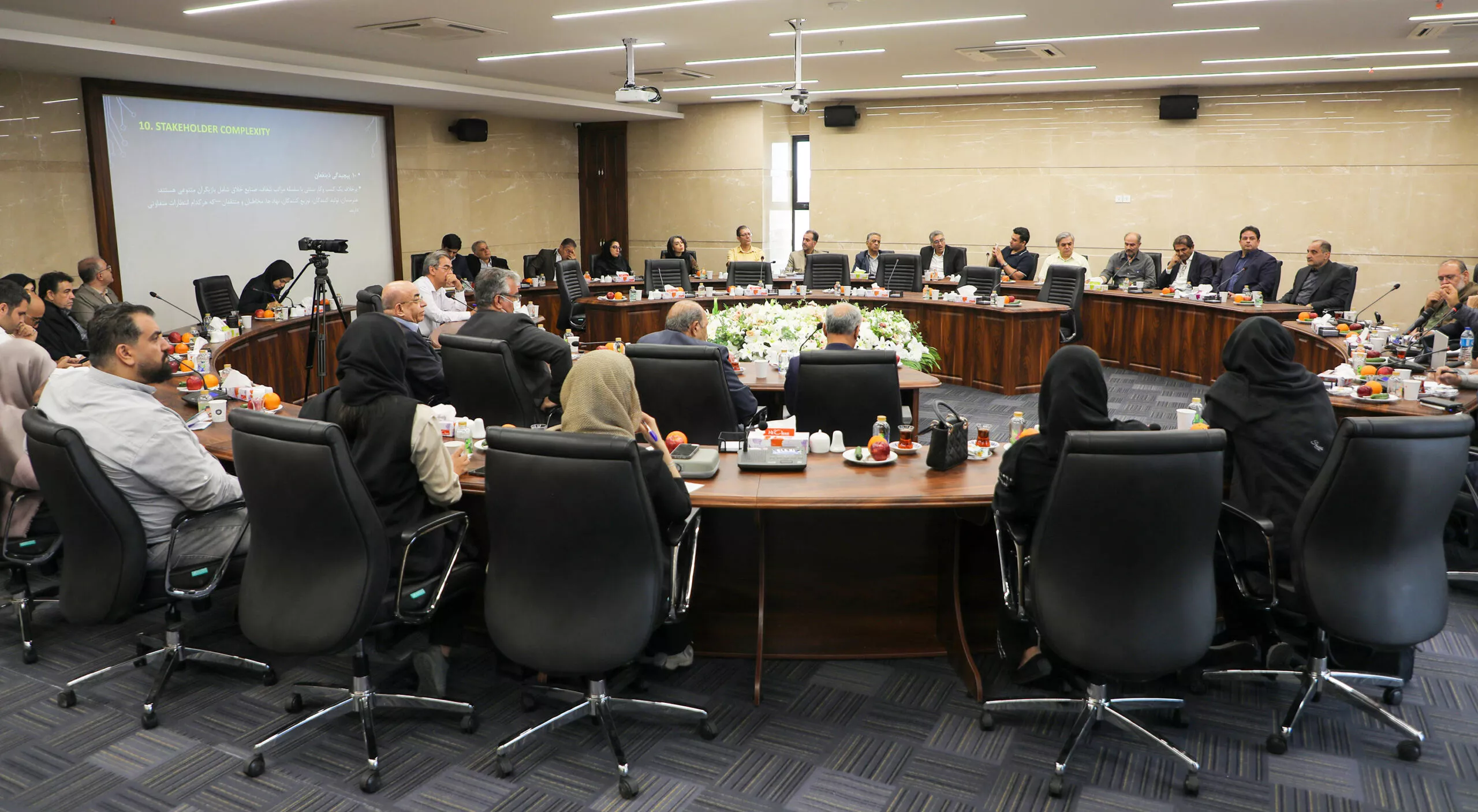
User comments
0 Comment
Post your comment