An analytical approach to visual and technical signs. Recognition of the age and authenticity of a hand-made rug is one of the most difficult undergraduate discussions in the field of Iranian handmade rug. This process, more than based on the public appearance of the effect, relies on deep recognition of the history of texture, technical structure, color system and cognitive design characteristics. Handmade rugs, like any other artwork, carry signatures and cues of their time, and each node can be a document of social, technical and aesthetic transformations of a period..
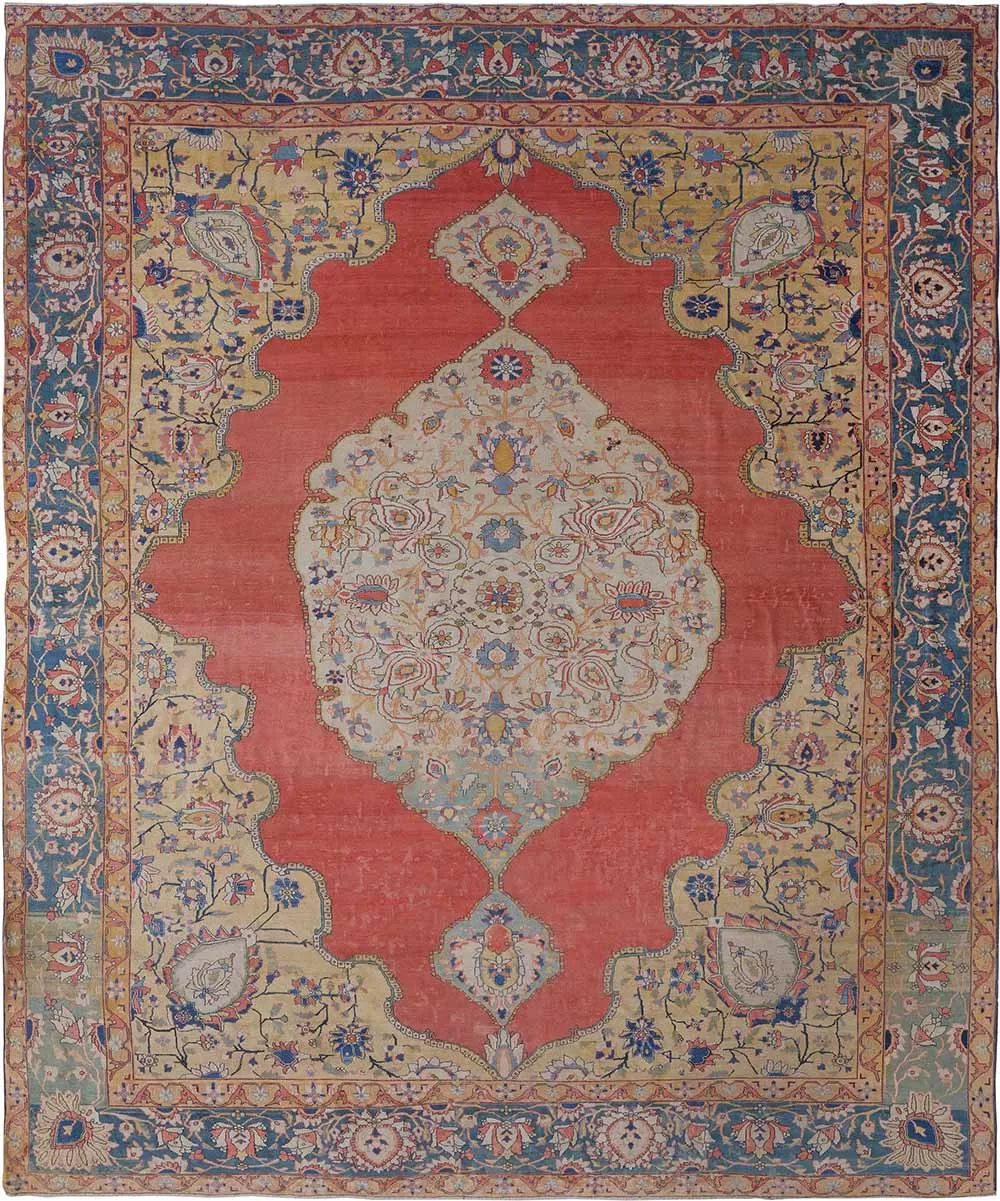
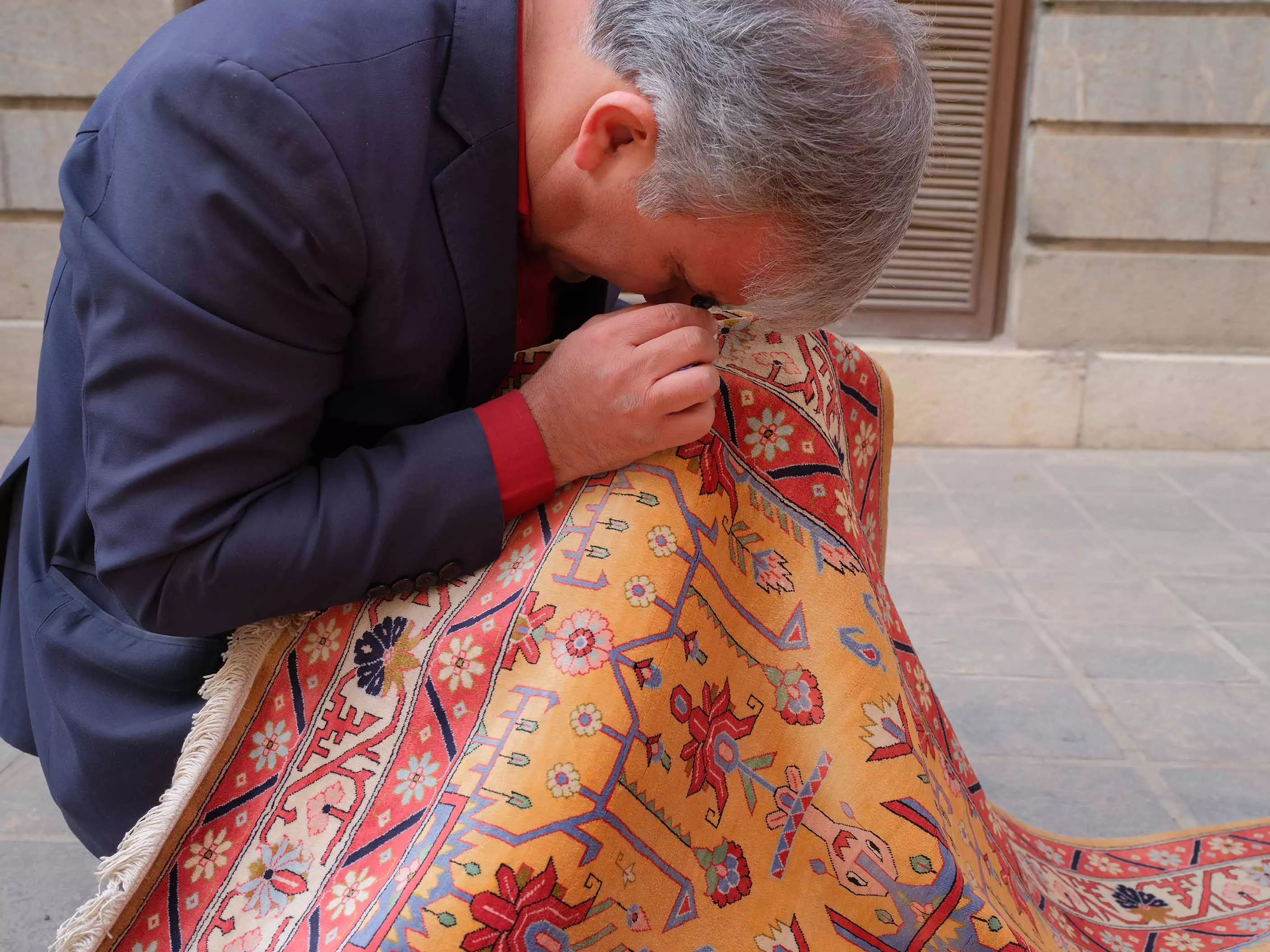
The first step in dating is to examine the design and color. In Iranian handmade carpets, the design is not only a decorative element but a time and place indicator. Urban hand-made rugs are usually based on detailed and geometric maps and are conscious of symmetry and proportion. In contrast, rural and nomadic rugs are the result of mental mistaking, which is why they have more simplicity and freedom in the structure.. Changes in design style, size and composition of colors often indicate historical developments in the texture of each region. For example, the prevalence of specific designs or the emergence of new colors in the final decades of the 14th century, the solar idiom in hand-made rugs of cities such as Rashe, represents a gradual transition from ancient color traditions to new tastes.. Understanding the history of the creation of any design and its course of popularity allows experts to estimate the approximate time of texture based on comparative comparison. In other words, every design and color has its historical certificate.. Image 1: A sample of rural textures of the area of the Nineves Analysis of color type and style of color is the most effective instrument of aging in Iranian rug.. Until the 1350s, almost all over Iran, hand-made rug paints were performed with natural and plant materials. These colors were derived from roots, skin of trees, seeds, insects, and mines, and because of high optical stability, not only shines over the years, but also create a kind of natural and gentle harmony between the colored components of handmade rugs.. With the arrival of chemical colors (especially from the 1360s onwards), a major transformation in Iranian paint occurred. New colors, although easier and cheaper, lack the depth and breadth of plant colors and change the Fa or Codey over time.. Therefore, checking the color type can be a relative criterion for determining the texture period. Carpets that have sharp glow, intense color contrast and lack of natural harmony are usually more late than those whose colors are worn over time with softness and uniformity.. Image 3: A sample of rugs older than 100 years, painted with plant colors In the following layers of each rug, there are signs of time.. Changes in the type of knots and poohs, the sex of wool, the swing and the density of nodes can all provide important information about dating and originality. Typically, old rugs are used with irregular and at times resistant, while in the late rugs most machine threads are used with regular uniformity.. Natural erosion works are also complementary indicators.And: The surface wear of the Perezs, the thinning of the sides, the color change in the areas of the filling or the gradual loss of some of the Fams are of high-life symptoms.. Image 4: Natural erosion on the side. A hand-made rug from 300 years ago. One of the more precise ways to estimate the age of the rug is to pay attention to the dimensions and composition of color in different periods.. In classical times, the dimensions of handmade rugs were designed to fit Iran’s traditional architecture structure, and sizes were generally limited and conventional.. From the middle of the 14th century, especially with the growth of exports and the arrival of global market tastes, significant changes in sizes and colours emerged. Large hand-made rugs and lighter colors (light, green, turquoise) replaced the original darker and deeper colors such as lacquer, lact and serum.. Understanding these temporal and regional developments is an analytical tool for detecting the period of tissue.. Conclusion. Age recognition and authenticity of hand-made rugs is a multifaceted process only based on field experience and comparative recognition.. No single factor – whether color, what texture – can be a definite criterion, but also a set of signs that lead to a reliable result.. In the meantime, the historical understanding of the designs, the recognition of color transformations and the detection of old fibers of new materials is more important than any other factor.. Old hand rugs are not just a decorative object; a live document of the history of art, industry and Iranian charm.. In cases where the effect is of high material or historical value, laboratory reviews can complement eye recognition, but in most cases, his expert eye and historical memory is the most prestigious means of identification.. Understanding the age and authenticity of the rug is actually the recognition of the interconnected history between art, nature and time.. Image 5: The Master of Handmade Carpet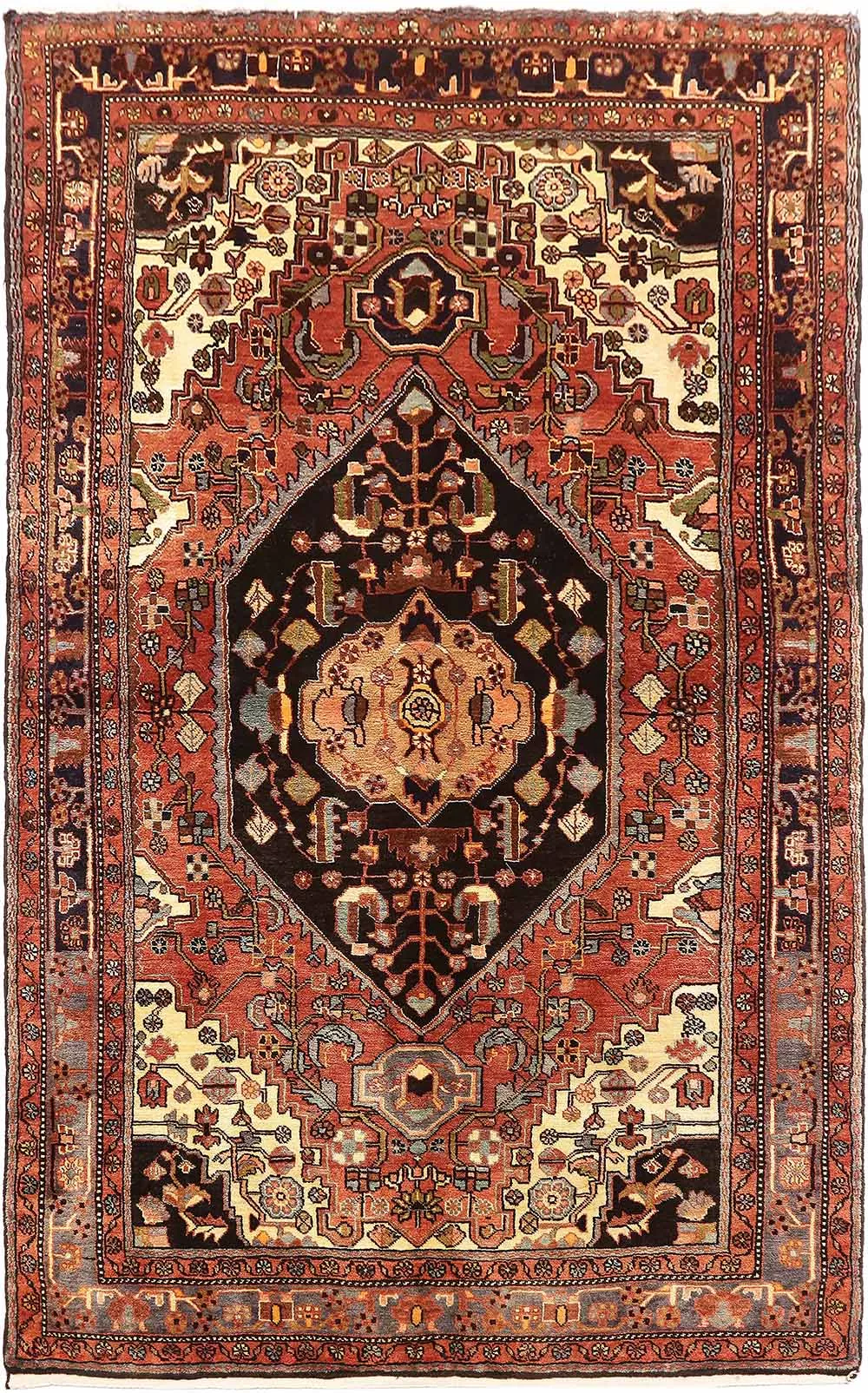
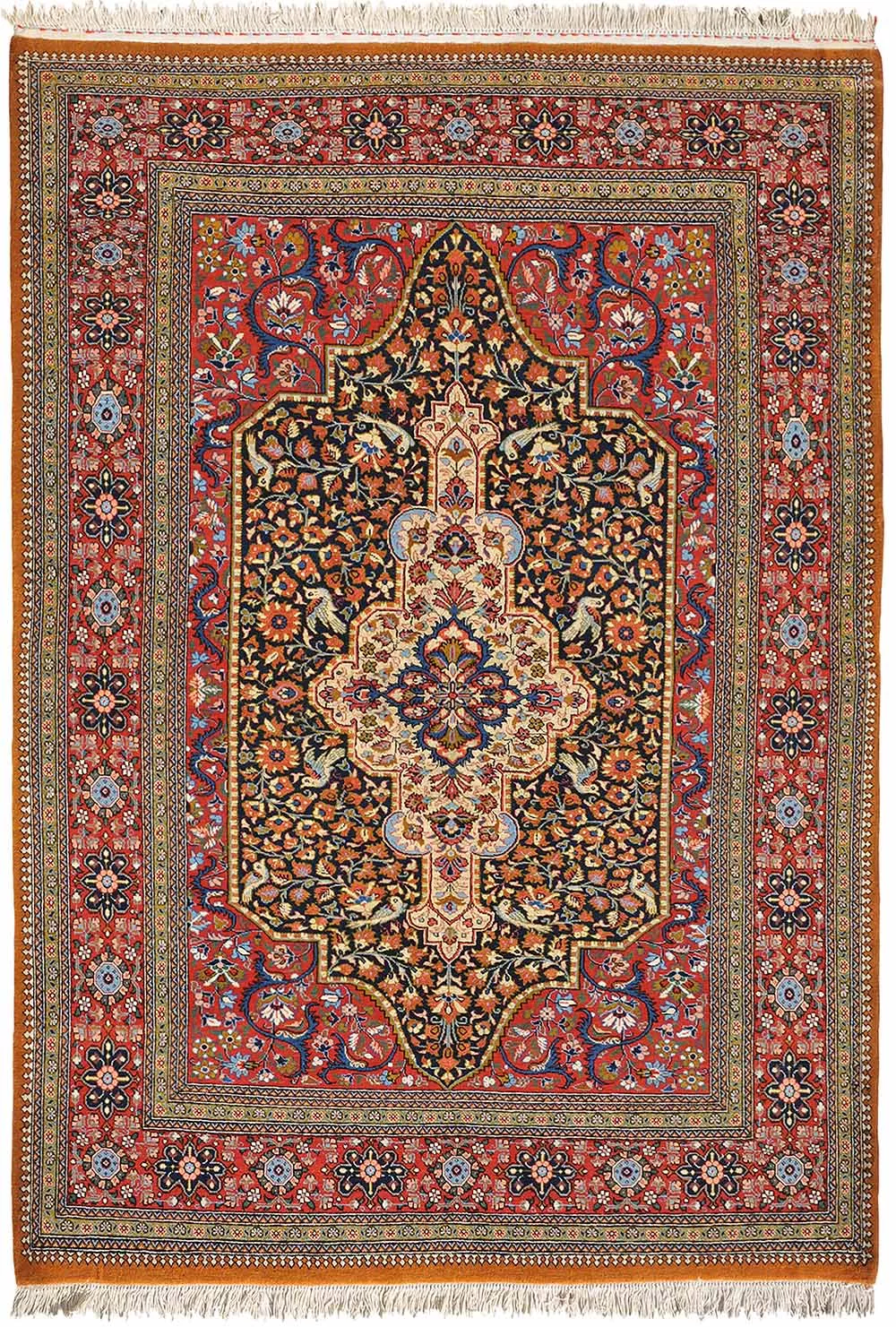
However, it should not be clear that any burnout is a sign that is not known; then improper maintenance can give an old look to a relatively new handmade rug. Therefore, the correct diagnosis requires a combined look at the quality of fiber, type of texture and overall status of handmade rug..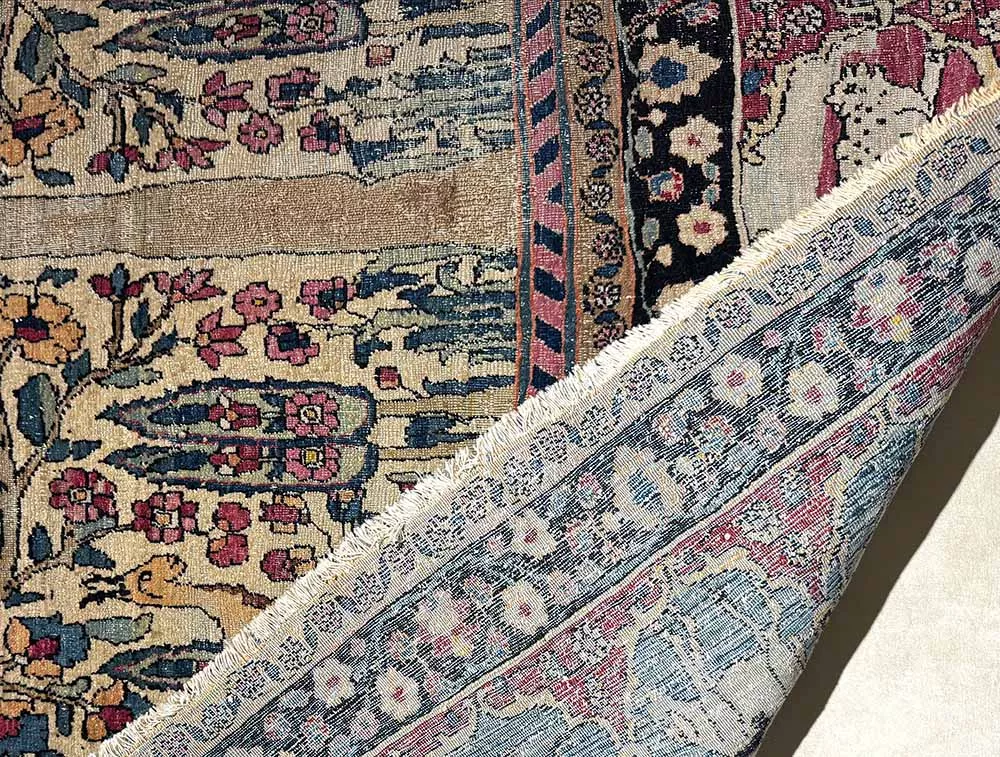
User comments
0 Comment
Post your comment