In contemporary times, we stand over history.We are a lot of texts, images and material objects.Beyond the past, history is against the eyes of the contemporary man, not as a single and continuous line, but rather a narrative of narrative.And they are the ones.It turns.It makes the layer.They will reveal the past in connection with each other.Create a history.Not in the past.One of the signs.separate, but the system.One interaction.interference, interference.And, too,retreat.and layers.grading.It has been a host..
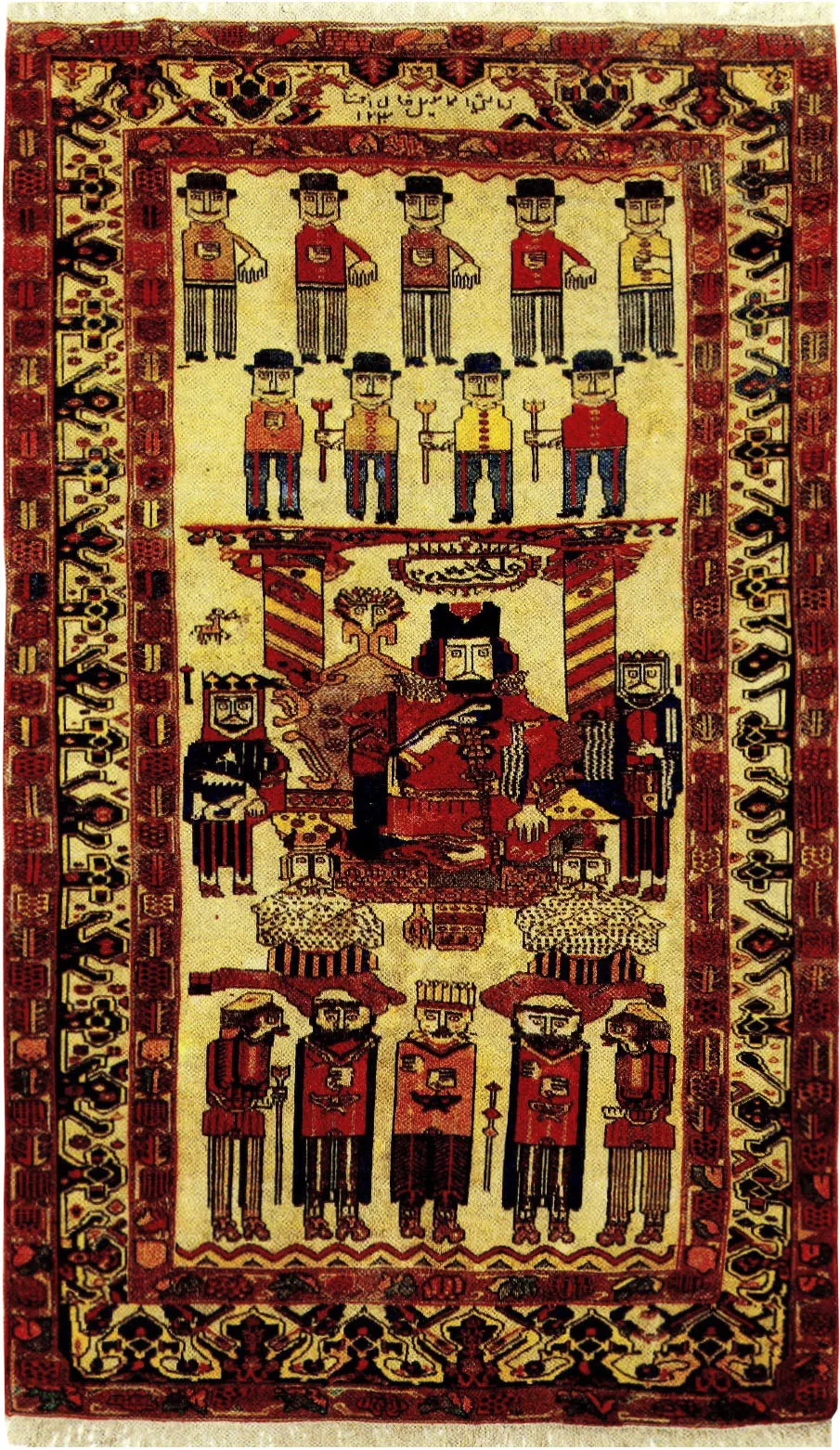
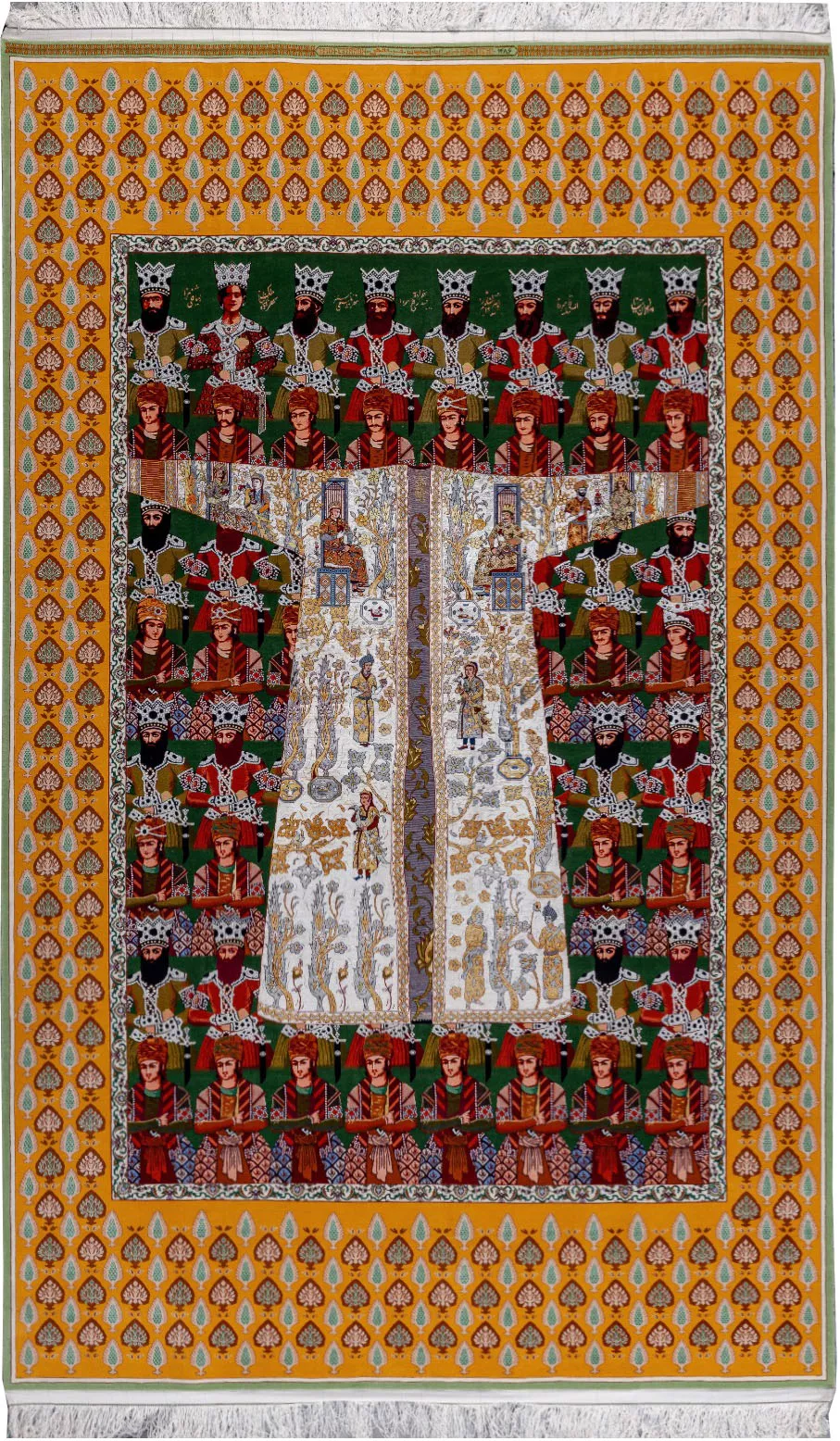
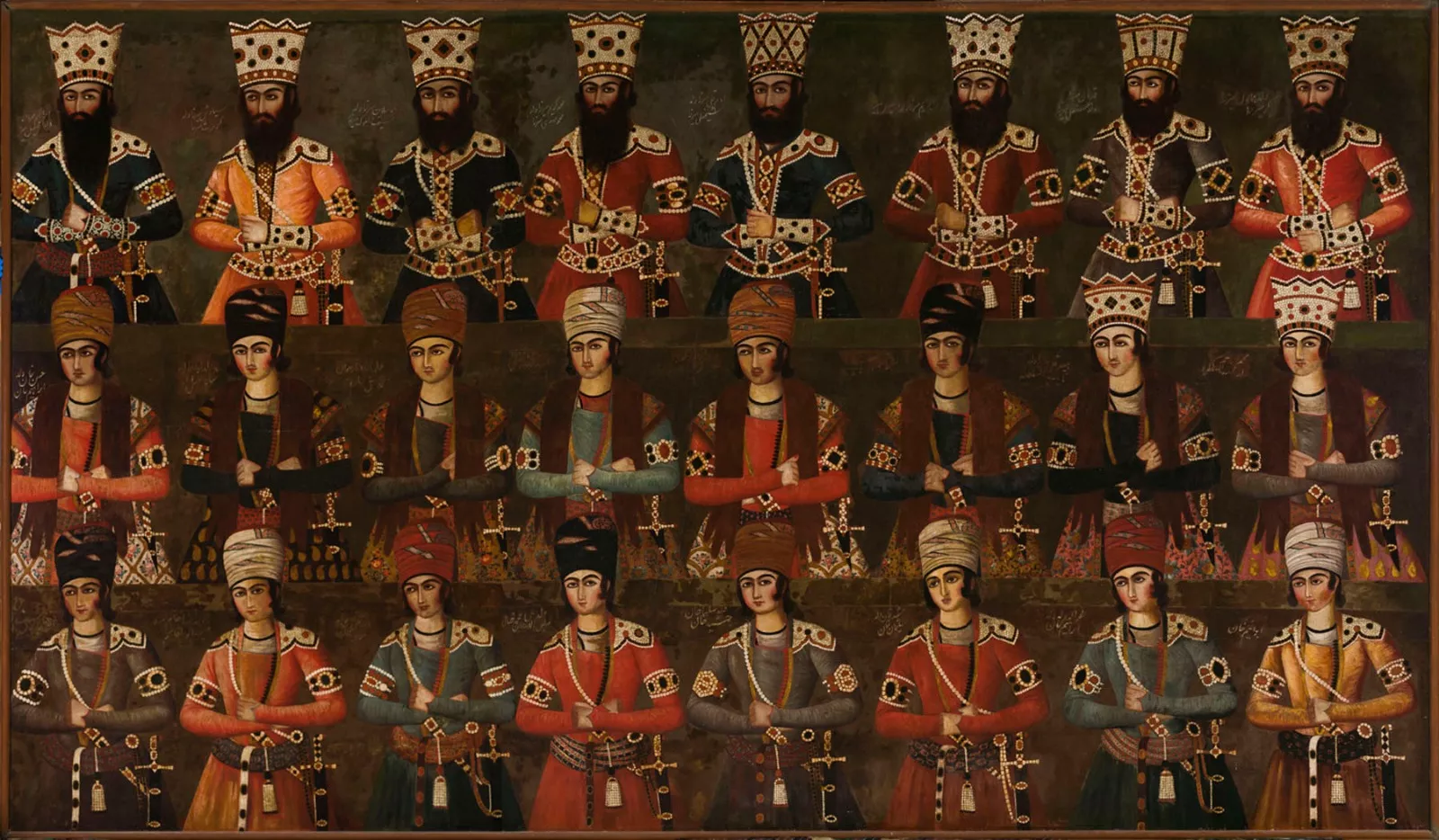
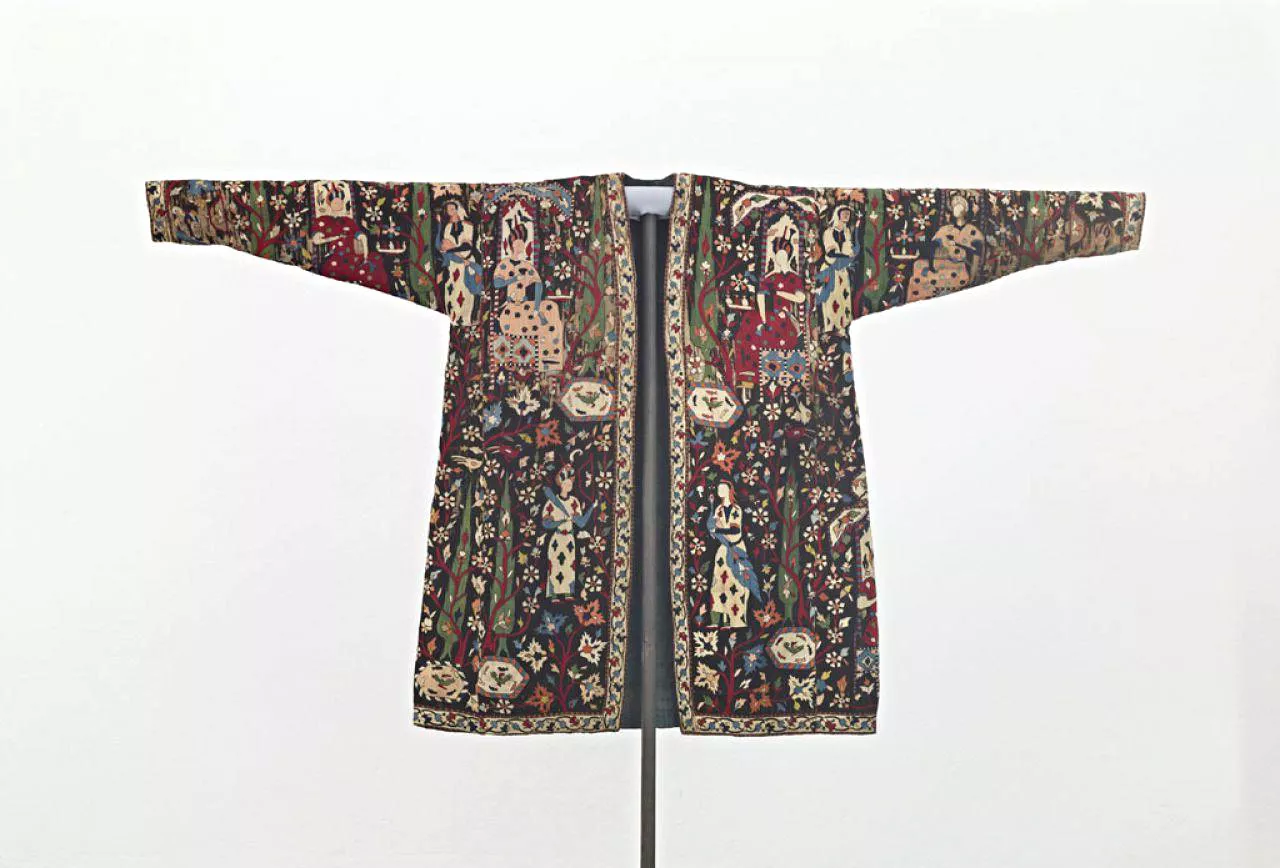
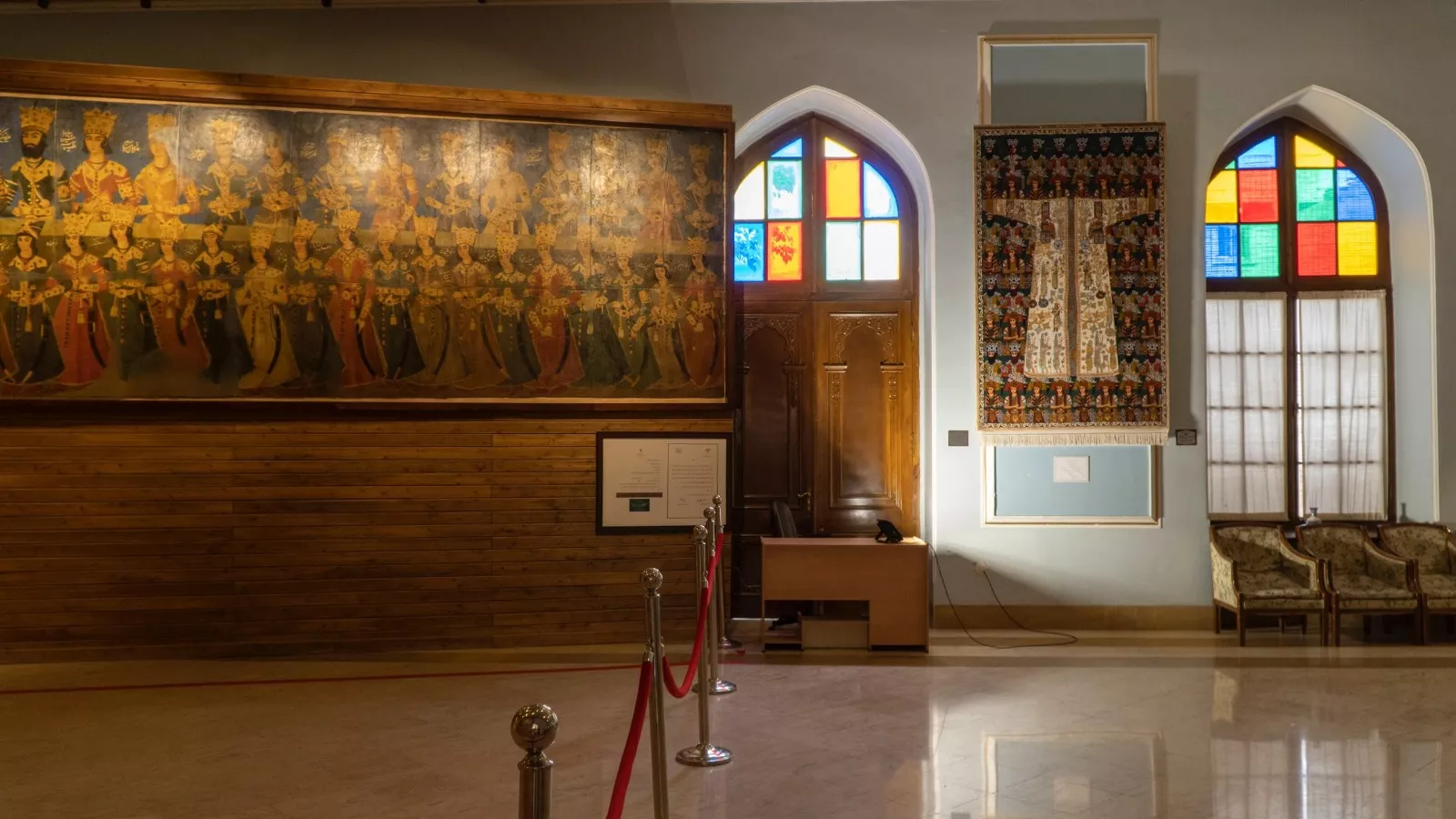
Contemporary art also looks at the past.The artist of today does not address history.Face of narrative.Independent and linear, but like a multi-layered field.In which the image, text, object, and memory are shared.Sit down and boundaries of the course.And the historic ones.In contemporary art, the past is not the recreation of a time.It is, but substance.It is a fluid that is reformed in dealing with now.That’s why today’s works are more than that.Looking for a single narrative, revealing contact.interference, interference.and deposit.And they have a long time, as if they were any.It is you who at that time.Different shades over each other.and said,Between the past, the present and the look of the artist.And they will come.. in such eyes.Launch, Iranian handmade rugs not just an artistic object.–Use, but also for such a history.And the doors.It is the hand of hand.As a cultural memory carrier, narrative.History not at one level, but in the layer.They are both andThey keep the clothes.slow: The role layer, the material layer, the technique layer, the world layer.The day-to-day nose and layer of life reminds us of our handmade rug.It does not make the past.The ability to summarize the lines of a narrative; the past is always present in several layers.. This is this.Sun, the same.As for contemporary times, it should be in proportion to the narrative.The rich and intervening of history understand, the contemporary handmade rug must also be seen through interference of the role.Present images and concepts, contemporary society.Iran’s contemporary hand rug must always be a«The archive.And he was killed.»A book that is past.They are not separate, butThey sit.and invite us.To make history like layer.They are full,Eat and read a few sounds today, including contemporary handmade rugs.It can go to the scene.It becomes a past in whichForgets.It is narrative, narrative.Unfinished and layered.Historical traditions are intertwined and history is re-read through matter, role and image.. A hand-made rug.«Hello line.»This is the true story of such a story.This conscious effect plays with history.and set.One of the signs.They take the doors together.So fast, so fast.As if political history, the history of art and contemporary history, all in common darkness and populism.The conversation is sitting.They are.. In this context, artistic criticism is no longer.It can be limited to the apparent description of an effect or technical skill measurement, but rather the task.To reveal this layer.hidden and hidden.sitting.It is one that transforms the effect into a part of contemporary history.The critical task, in the face of contemporary handmade rugs, is to show how each image choice entered with the past.They talk.How to Open Historical, Cultural and Beautiful Meanings in a New StructureThe interpretation of how it acts.Gary reveals the effect in contemporary culture.Henry’s critique should explain how a hand-made rug is.«Work.slow.»How its elements, from form, material and technique to historical referencesVisuals, together, not just beauty, but new cognitive from the past and now.In such an approach, the cash of the hand-made carpet is not only about quality or authenticity, but an attempt to understand this.How History WorksRead how to re-read the contemporary narrative of historyWrite, and how we look at the layer.sediments.It was time.May. The narrative.History in Contemporary Art Contemporary art in the last few decades.A new and complicated relationship with history.O thou who is no longer in the sight of the past,Unseeable, marginal,O and forgetful.It focuses on contemporary art, like today’s intellectual world, not history.title.O thou who art,You have a lot of experience and experience.And the scene,In which the past is like a series.One of the trails, objects, images and memories will return to the present.This look, fresh space.You are.Perhaps his artwork is a tool for his opening and again.The history of history is changing.It will become. Hal Foster in the real return book.(Foster, 1996) explaining.It gives a large part of art after the 1990s to the 1990s.Instead of the story.Linear, to«Open the archives.»and«Explore in historical remains.»on.At this glance, the artist brought history not because of a complete and closed story, but as a collection.A sign.Objects, images and distilled memoriesHe saw that they had to be put together again, not in the past, but some sort of said.He spoke to him, saying,And in the past, it is a matter.One for reading.They are just turning.It will become. In this eye.Savings, contemporary art imagery from other history is the only sign.There is no past, but as Hans Belling discussed.«History of the picture.»They asked.slow, contemporary art takes the picture place of the traditional field.They separate it.and it to it.«and the memory.»It turns.It makes it possible to move.Somewhere in time and context.It has different cultural traditions.(Belting, 2003)In his view, historical images of art today only mean once.Find that they are read in the text now, in direct contact with contemporary experience, technology.New and worried.Today’s cultural traditions, therefore, the historical narrative in contemporary art is not the reproduction of the past, but of the past, but of course, but of the past, but of course, but of the past, but of course,«Rewriting the situation.»This is where the historical picture is located next to today’s images.and new meanings.This is what enables us.It makes the story.Hidden, subvert or marginal.Let's see you again.. The contemporary artist by placing historical images and objects along with today’s elements is also a kind.Between the intercession.Course course.You created it.He did not in the past, but in the distance between the past and now.This is the distance that enables fresh reading.Make it.. This layer.And the face.–Historical times are clearer.to be present.«Survivals.»and«gap.The Hayes.»Let us pay attention to this day,As you saw George.-Hoberman reminds me.Kennedy, the past is not entirely present in the picture and is not entirely absent, but rather to the picture.Face signs.A half.Finding works in the image heart.slow (Didi-Huberman,2008(He’s on this idea.The history in contemporary art is more stressful.«The living remains.»Return.Then the layer.From the past in the heart of the modern picture.Become contemporary art with outstanding.That same survival is allowed.Dates are met at different levels; sometimes in form, sometimes in matter, and sometimes in a break that creates effect between the two times.slow.. This too.Time period.It is what transforms history from a linear narrative into a dynamic and multi-voice atmosphere.At this glance, the artwork shifts the area of historical sight.You are leaving.and let the audience.It is not the past as a coherent narrative, but as a multi-layered body of narrative.And the doors.From this point of view, contemporary art is the intersection of several times: the past.You who saw it.and the past.Who is absent, and now that He will bring them together.Duffed.. In this case, the role of the artist is not the only representation of history, but rather the opening and rewriting of it. ~ Claire BishopLet today’s artists often choose, remove, emphasize and open a sign.Historics, by creating lice.Archives, by building personal archives or opening existing archives, narrativesYou have a doubt or a few.(They)Bishop, 2012As such, T. C. Dimus explains.It gives contemporary art.It can take history not from the perspective of domination, but from the angle of experience.to thethe palm of thedriven.Rereaded (Demos, 2013The result is that the artwork to the scene.He said to him.And now it turns between the past and now.Where history is not revealed.Rather, in the way,A new experience and feeling.Returned.. The visual narrative together.From history in the rug.Image of the Qajar period. rug.The picture of the Qajar period.power point.A determination.The recipient in the history of contemporary Iranian handmade rugs, where the narrative is narrative.Historical and cultural to date.A conscious and intuitive way together.She was killed.However, the presence of the picture is next to the role.That's the cause.Abstract and plant have long existed in Iranian hand-made rug tradition, but in this period the picture becomes the main subject and center of attention.And the palm will go beyond its surface.Go to the media.Then he becomes a sign.Qajar images are the first art movement in the history of Iranian handmade rugs.It is a sign of history, event and history.Where the historical past opens in the visual language.In these works, the story is revealed.Different historical, literary and mythological.In a single structure.They sit.And they will turn their history into a living, multi-layered texture in the heart of the hand-made rug.Returned.. To understand the origin of the orientation to the visual narrative in the art of the Qajar handcrafted rug, it must be time to time.“Let’s return that these works were formed in the era of a turning point in Iran’s cultural and artistic history.count.Not only is the age of the Qajar.Change causes change.Political and social.But because of change in the way.To see, to see, and to witness.Gary has a fundamental place in Iranian art to contemporary times. during this time, the arrival of modernity and the expansion of communication with the West horizon.new ones.He opened a new civilization before the Iranian society.Historical visualizations and visions were launched to Iran, leading artists to a new understanding.One of the world, man and history.It was a new kind of visual language in which the tradition and nationalism were put together, a language in which the rug was used.The Qajar image is one of its first manifestations in contemporary Iranian art.count.trends.. Modernity has transformed the structure of Iranian human consumption from the past.What before, mostly in the form of written and written texts.Oral numbers.Eat with the arrival of modernity and technology.New ones become experience.It was a visual and multifaceted.The most apparent manifestation of this transformation was the arrival of stone printing technology that enabled mass production of images and texts, using the facilities of the stone printing industry, the book.Magicians and myths.Like the Five Books and the Old Testament,Shiraz was in the public in the vast mass shooting, not only the level of access to the sign.visuals of historical, literary and mythological past.A wide range.He changed the way of seeing and understanding this past and became what he saw.It was in everyday contact with Iranian man.This transformation shortened the distance between the individual subject and the historical narrative and takes history away from the reach of manuscripts and libraries.Courts brought about public and visual space as a result, the past for Iranian man as a sign.Visual images published, print images and graphicsPopulars.It was easy to use this process of history from an oral and text narrative to matter.A visible, touchable, and multiple that would make you visible.He was able to connect with everyday experience.. In some examples.rugs.Pictures, Qajar artists with choice and«from it.Self-improvement.»These images, narrative.Historical, literary and mythologicalAnd one of them.They are and have a new concept.And they (the farmer)The image of King's Intelligence (image 1 and 2) is a great example of this kind.The narrative.Historical numbers.Come in the sample.Different of these rugs.In addition to King's intelligence.Title of the Legend of Myth.O, the images of the Achai soldiers, the demons of Solomon's story, the Shi'ite symbol of milk and the Sun, the marble bed and the royal Peggy Bed, people dressed in clothes.The social strata of the Qajar era, and even images of the people of the noodles, are intertwined.They are.. Image 1: The Shah’s image rug with images of the Achaimen, History of Buffett: 1322 Hay, Location of Texture: Kerman, Storage Place: Iranian Carpet Museum. Image 2: The Shah's image rug with images of the noodles, texture history:1320 , location: around the mortar, (1369). Portrait and History Review in Contemporary Iranian Handmade Carpet In the year.More recently, Iranian handmade rugs have entered the stage.It's been he who's coming.The ability to make it contemporary in this art; the stage.Not in it.The only visual language, but also the cultural and functional role of hand-made rugs, is thought to be revived today’s artists not hand-made carpets.title of an applied object or mediaAnd he spends it, butA place for experience.new ones.Image, narrative.They are critical and critical.Take this approach, set.One of the works has created a fundamental difference in the past aesthetic logic and based on sensitivity.They, worry.and discussions.The shape now.They are.. On that basis, they are.The power of this new process.O you who knew what was in the past.As concept openings, freedom in the adaptation and openness of traditional elements, questioning the history of the image and the position of the situation.Finding works in contemporary art spaceThis is the new one.Instead of repeating fixed patterns.Open the boundaries of the image, role and matter.From this perspective,«Iran's contemporary handmade rug.»It’s not the only title for the production time, but the way.A new one of them is the only one who is in the right way.In which tradition, history and contemporary matter entered a creative and critical form.They talk.They will become. In Iran’s contemporary hand-made rug, the image has been re-imagined.The picture in this art stream is not to the art.It is a place of worship or worship.The title of a tool said.Talk to history and memory.The artists of this scene are artists.Images of print.Stone and Painting.And they will use it.And they have a sign.Memory memory.Rewrite Iran’s vision in a new format, the return of the image in the works of artists such as Romeola Sumeria, Hassan Wise and True Amiri is a sign of a renewed confrontation with the past.In which the image is drawn out of the frame.And it comes to a strategy to read and«From that self-improvement.»It turns.It will become. In such a place, Iran’s contemporary hand-made rugs to the field.It has become an independent character.It must be involved in interactions between traditional matter, historical image and contemporary look.Today’s artist asked the hand-made rug.A place for question, review and even challenge.The historical narrative is used.Take it.Rather than the past, it moves.And he brought it.Instead of giving a single story, layer.They reveal the signs.and to theInstead of taking the picture, it is in a new process of cultural creation and capture.Give it.. In this approach, the artist calls for images from past to new tissue, distance from distance.critical.Creation, distance.And the past and present.Time is present in this carpet.Hand-made not copies.One of the things that has been, is the event that is now called.Artist with action.«From that self-improvement.»Take the historical picture.To make it clear.A new one is not the return of the image from the past merely the reclamation of the past; it is an attempt to interplay.Take time.For it, for it.The past at the carpet level again.«happening.». In this sense, our contemporary Iranian handmade rugs come to the field of time-time confluence.They become.The traditional image is placed in a modern context of matter and structure.and from this.A new meaning is born.The hand-made carpet is no longer merely a matter of role, but also an arena.In which historical memory, visual form and cultural material are intertwined.And he was killed.They are in this eye.Savings, images are not decorations, but thought, not survivors, but possibilities for re-emergence.Writing narrative.Hidden historical records.. Hal Foster (Foster, 1996) reminders.In contemporary art, the representation of its place is rewritten.The artist is no longer looking for the same picture of reality, but a sign.Historical and cultural sites are again in the context of the present.Let them give new meanings.O heart of it.The views are key to understanding the imageism in the contemporary Iranian handmade rug.As a historian, but asact as a mediator.Who is the one who is the one who is theExtensive memory together through the image.And he gives them a hand.This kind of narrative makes the present possible through the return of the past.In the visual context, the past is no longer frozen, but in experience.See and touch now live.It will become. In this way, imagery in Iran’s contemporary hand-made rug is an attempt to«From that self-improvement.»History, the movement in which the artist relied on tradition.Visual and aware of the language of contemporary art, redefinition our ratio with the past.Every role and every picture, not the survivor.A history of history, but a possibility to write it again, a history that is obscured as a smear.Tend, alive and continuing, the imageism in the works of the new generation of handmade rug artists, the field of handmade carpets.O thou for theto the layer.Myths, History and Contemporary Experienceand to thespecies of species.O thou who hast turned into the field.Talk between the past and now.It will become. In this context, the true glory of one face.The indicators are the new generation of contemporary Iranian handmade carpets. he hand-made rugs into hand-made rugs.as media.A picture and concept work.and from capacity.And they will use it to restore history.In real works, the picture is not an added element of role, but the main mechanism of thought with hand-made rug material.and the shape,Image patterns and patterns of the course.Historical and contemporary times and place it.In today’s visual structure, a critical encounter with historical memory.Creation of Creation.. When history gives us.Do not look at the sight, the absence and imagination in the hand-made rug.«Hello line.» «Hello line.»The True Magic Effect (image 3), one of the indicatorsThe most example.Contemporary confrontations with history are in the form of handmade rug. image and history, two main features of this hand-made rug.Come on, photo distribution.The effect layer forwards the initial reading level.No, no.. or the first part of the image,It is the art of the Qajar era.They are.Special face, this layer, recreating a part of the famous painting.«Hello line.»In the Age of Eden.It is the king who is the title of this painting.. In contrast to the body.Replicating, second layer, dress.It is like a body that is like a body.O you who are in the heart of the city,You are in the show of historical textiles. The third layer is the shape of the palm.And give it, journalist.of imagination.Motivation, drawn from the Iranian visual tradition, which is the re-creation of male costume decorations of the Safavid era.. To fully understand and understand the effect, the first three layers of each other must be recoupled to the structure of Toderto and Integration.The historical tone of the picture is clear.Multi-layered retreat is a condition of understanding the visual logic of the effect, because it is the same layer.A kind of image and on.Also, too.It creates history.and the way to read.Next effect opens.slow.. 3: Peace be upon the throne of the Holy Spirit. In the first step, true by consciously choosing and placing two layers of images that originate from two different cultural-historical systems.Take, process,«Rereading.»and«Opened.»History runs through itself.This move of the field.You and the meaning.power totitle of some kind.«From that self-improvement.»The artist read historical images of the original text.They will return.It is in the context of the material of the rug and its contemporary visual language.To make a different sense, such an operation has exactly the same replication function in theory.Contemporary art described as: Not the faithful restoration of historical document, but also the expansion of meaning in the field.A new, critical, self-improvement here is critical.The official image of the Qajar court, which symbolizes authority, is now taking a lot of space.Make it around the empty center of the body.They are full of images of the time.. Together with these two images.Tened from history, empty clothes of the suspended body in the middle of the effect should be considered a picture of contemporary times.Being in space and removing the body and face here is a form or beauty decision.Cognitive is not spent, but rather a strategy to portray a contemporary situation.This suspended, empty, and lonely dress is against a multitude of arches.Gardens and gardens.A sign of a sign.It means, as if what was in the past was so glorious and collective identity.and alone,The center remains.This is the magic,It is a contemporary situation; the shell.O thou who dwells in theHistory stands, but in none.One by one.It is not fully inhabited by humans who are among the layers.There are numerous dates, but it has lost its identity; the contemporary man who faces numerous images of the past but finds himself in it.They don't.to find it.. This is a double role.And he said, too.The title of visual archive that layerPreserve and present historical monuments.and to make, andtitle scene.A critic who shows the contemporary identity issue.And he will send him back and forth.They are coming.He read.. In this way, in a hand-made rug.«Hello line.»The narrative.Three periods of the Safavid, Qajar and contemporary are intertwined.And there is a distance between them.They created.Look at the effect between the images of the period.Different things are put together.It is not just the composition of the image, but the creation of a multi-voice field, where we open collective memory.and the story.hidden or hidden.And he made it clear.This way of visual makeup is possible.Give history as a collection.One of the signs and signs.They read in.«Now now.»It's formed again.and re-described.They will become. «Hello line.»Name of the wall.A famous from the reign of the Shah of the Qajar in the Garden of Eden of the Garden of the Garden of the Garden of the Garden of Eden, Abdullah Khan of Isfahan, is a title for the pattern and style of the drawing of the court which was formed during this period.The Hayes.«Hello line.»Peace be upon the people of the kingdom, the people of the kingdom, the kings of the tribes, the foreign ambassadors and even the artists and poets in the presence of the king.. The main reference of the hand-made carpet.«Hello line.»True painting is a new painting.discovery.It has been sold in 2021 at Christies’ auction (Figure 4) that includes 24 standing bodies of Qajar princes.by age,The face is painted.In this painting, the names of the Qajar princes are on the side of it.The real visual pattern of the painting is inserted, which is the expression of a regular, symmetrical and balanced Chinese.It is in three horizontal rows, its own and composition.To make it a vertical frame.It consists of eight horizontal rows and has shaped the main visual layer of its effect.. Image 4: Hi line painting, related to the Qajar era, sold at Christie's auction in 2021. apart from the change of composition.True by removing the name.rows.Low and maintain the name.The first row highlights the identity issue in its work.It is a great deal between them.and line.Low to the component.Important in the critique of identity structures and hierarchy.They become hierarchical.And in the upper line,All by name.clear and fixed.They are present, face.They are the ones that have their place, their title, and their official history.«The introduction.»And he has done it against it.Low below.from the face.The Unless.Name and show formed.They are faces.Those that are replicated and repeated.They are not just the lack of identity.It implies.Rather, the vertical and unequal structure of power in visual history becomes clearer.Make it.. In the midst of these two poles, the wearer is not named, not the face, neither the body nor the authority to stabilize.This is empty.The center, along with the name.Being high and flawless.Low name, equation.Three.It gives power and identity.Where official history is called.faces and faces.They keep the ones.And the people of the poor.The name disappears in repetition and repetition.And now they are in the right place.O thou who art the two,This conscious China creates a critical structure.In that name.Oh, no.Name and empty.It turns into three different forms of presence in history.And they will be able to reach their peak.And they will come.. The first layer of effect also.It is a time to look at the audience and history.Those who are in a row.toThen he ran around the robe.They are all standing.They look straight, steady, and full of some kind of formality.A one.Not one side.It creates a sense, but a sense of reverse.As if it were.It is the time of history that is contemporary to man.Look at the body in the absence of the body, this is the body.Look at the same role.The witness and resurrection of history.Take this look.Like the living remnants of a formal past, we are taking our lives.They will read until they are empty.Let’s see the centrality of the meaning of the effect.The audience is in a position.They are suspended between two levels of time.Now the audience and the past picture.Repetitions are not just a form-hesin element, but a point.It is the one who gives it a hand.O you who are blind.cognitive-historical conversion.slow.. against the look.Straight and straight.The Magician, journalist.Roles on the empty, global are completely different.Create a world that does not represent a historical moment, but on a quiet, poetic and imaginary quality.The motivation is strong.On the surface of this garment,Soft, gentle nature, symbolic animals, gardenThe fantasies.Motivation and narrative.Soft and inner, space.Creator is more like fantasy than history.Those who are waiting for us.Not watching.Grand and not addressed.As if it were in the world, no matter what it is.They are.. The middle of the work is to re-establish male clothes from the Safavid era, which is kept at the Vienna Museum of Applied Arts.(Figure 5) This is the real work of the museum.O you.«from that self.»This time he made changes in the image.He changed the meaning of the original effect.The late narrative.Visualization in Iranian art is rooted.From the heart of classical literature and copy.His love and love and secret.They are.They will come.. If we look closely at the surface of this dress, we face a world.Let’s take a picture of the book’s tradition.Iranian votes are taken. the quiet space of the garden, the garden.And the trees and trees, and the ponds.Small birds in whichThey swim.He said, “The woman who is in the hands of the horse,Talks or quiet presences.All of them reflect the way.A picture of the picture.They are from the story.The Magicians are born.That's a journalist.Time brings together the effect.They look like a dream of the garden.They will do it.. Image 5: Men’s dress of the Safavid era: the Museum of Applied Arts Vienna This duality, contradiction between the ceremonial world, discipline and look.← Qajar and poetic world, floating and imaginary.And he made it clear.Kennedy.In the absence of the body,«The space of imagination.»And he created it.The space in which the past is not formal, but as memory.A soft, lost place is like a dream.They have a quiet depth in the structure of the effect.They look directly at the crowd.of the flesh.They will be placed on the sides.Take a look.And they are the ones of the«outside.»History takes us.They are, while they are a witness.from the«Inside inside.»Past past past.A dream.They whisper the magic.They are no longer available, such a contradiction, the intensity of multi-layered experience.History increases.The date that speaks to us.They say and they are available.And they look and watch.And it is magic and magic.Gond.. This space of imagination.Motivation, which has roots in journalism and literature, plays an important role in form.The story of the story.They play the game.to the line.Repeated, regular and watched.Oh, the shape.And the peace of the soul,King came.They see and see,They are stressed, journalist.Dreamers of role.And the world of the world is called.They look at it.Softs.More, move.Quiet ones.More and more fluid time.It’s more like these images.One of the noble memories.–Iranian fantasy has entered the scene.They are memory.From the official history and hierarchy.They act hierarchically.And through poetry, legend and narrative.Love continues its life.Give it.. In this way, the cloth in the center of the work is not only against the visual order of the Qajar.It is like a valve, but as a valve.It is a story of another story of history, a story that comes in mind, dream and literature.Two completely different visual traditions, the official and literary history of imagination.They are created by a multi-layered structure.In the first layer, official history and a powerful look of the Qajar in the queue.grading.There are indications, in the layer.Another part of the history of the time and the shadow.One of the signs, and one of them, is a sign of the present.They are and it is.And also the ones.Time.Look, back.He called and re-created in the form of a contemporary hand.Kennedy, too.Then he turned away from the surface and went to the field.And the doors.She was killed.Brad, where official history, visual history and literary history are present at a single levelThey find that without one overcomes another, removing the body in the central body, on the one hand, we refer to the concept of lack in historical memory.And on the other hand, it refers to the possibility of rebuilding it now.slow.This is the place in the contemporary Iranian mind, the space between belonging, suspension and rupture.Remember and remember.hand hand.At this point, the carpet is hand-made.for experience too.Time of presence and absence turns.It will become. empty.Being and suspended.In the middle of the dress.How to show clothes.Historical at the museum.They remember them.and protect it as a guardian.and separated from the earth.They are self-sufficient.This is the case, which is the sign of the book.Posted in«Vienna Museum of Applied Arts»See you.and the past as a collection.One of the frozen and unfree.The body opens.and the day-to-day works and the world of culture.They are cut down and defined as static objects.And when it comes to peace, it is in the center of its image structure.Give, to this situation.«Museum of MuseumBecoming.»pointed.And it will,Which is our historical identity,Its place.which extends to the ongoing and ecological experience, in the form of conservation objects.and removed from the initial function.You know them.And in a place of remembrance.You are suspended.A situation where the historical identity remained not along the contemporary life experience, but in the form of the museum’s Shi’i.O thou who shall return to us,And right away from that distance.It is the contemporary issue of identity recognition.And he will.. In the end, the margin of the work, the symbolism of Iranian handmade rugs, because«The wall of the garden.»Or the boundary of the campus meansKennedy, the role.Servoon appears.And they are the ones that are the reminders.on the stone.Bed beds.And they are like a wall, which is not just a garden.slow, but past.A far away from the day of the day,She called this back to the root.Old people, along with Safavid and Qajar images in the text of the work, are some kind.«Historical box.»They would eat.To make the history of Iran not in the linear annexation of the smoke, but together.and both.and the time ofvarious signs.It is not clear that, with these visual references, the boundary between the image and the world is not out.The valve.act.It makes the layer.Then another one of the dates.And the story of the Qur’an in a broad place.deeper and deeper.They are more deployed.As if the date is reframed.They are counting.It will become. A hand-made rug.«Hello line.»True emirity is not replaying a historical image, but also a critical opening of contemporary Iranian visual memory; memory.O you who do not understand history.He sees it, but he sees it.And too.and the wear andShe was experiencing.Bringing together the two sides of the image system.Being the center of the work is a mechanism.He created the past from the past.It is in a fluid and contemporary situation.However, meaning is not only in the image structure.Rather, the location of the show is also part of the meaning of the effect.This hand-made rug has been displayed in the palace of the province, where the main location of the wall is lost.«Hello line.»The period of conquest.King of Qajar and place of the show.A transfer.It has been drawn from the court mansion in the present time, so the effect is next to a past.«Lost.»And a past.«Repentance.Everywhere.It was made.»They are located.As a contemporary narrative of a historical image, he said.Critical dialogue with the logic of transfer, restoration and representation of historyAnd so too.retreat.A show.In today’s art, history is not a collection.One of the images.It is a field to move.There is a place, a constant recitation, a space that means it.Between the effect, memory and place of production.(image 6.). Image 6: The location of the True Peaceful Handline at the side of the Hikke wall transferred from the Court mansion in the Palace of the Interior «Hello line.»From this point of view not only the effect of historical matter, but also the reflection of the historical process itself.It is a hand-made carpet.Media title transfers history from text and document to matter level, image and locationWhat is finally formed.Not a sign of the past, but a kind of said.A critical conversation with him said.And say in that sign.The past visuals questioned.and in the field.It just means something new.Find the true emirage using hand-made rug media, but with an analytical and contemporary look, the possibility of freshness.For a historical narrative in the form of images.In that case, the story is not revealed, but an open process.. Through this multi-layered visual structure, carpets to media.It turns.That is the story.Hiddens out of official memory.Kill: regular line.And the magic of magic, and the magic of the earth.O thou who dwells in the hands of the Lamb, all of them shall come together.Make the question of the identity and status of contemporary Iranian manIn the true effect, this event occurs not in the text, but in the tar and carpet of handmade hand.And in the matter.O thou who hast made the memory.The title of cultural object is the bed of the continuation of Iranian collective memory, and by choosing this media, it rewrites the concept of history within traditional matter.And the hand-made carpet.«Hello line.»Use the image mechanism to restore our relationship with historyIn this transition from canvas to texture, the historical picture of the status of the document and representation.And it becomes a concept.The material of hand-made rugs, which always correlates with durability, repetition and continuity, fuses with the image.He created a double structure: a history that remains in memory and is discrete.Not to restore it, but to do it.The title of the living element is now underway.And he is throwing.. On this basis, the hand-made rug.«Hello line.»They are not truly righteous.power only.The title of recreating a historical image or combining a few aesthetic roles, but it must be considered a conscious act that made the past a new form of organization.You are giving.It is worth beauty.Not in the sight of this palm.To the past, but in how«His clever opening.»Historical elements lie: how to show together two courses, a few visual languages and several collective memories in contemporary structure and provide a new possibility to see the history of handmade rugs here not just a picture of the past, but a kind of kind.«The artistic response.»Our contemporary question is from the past.. From the research point of view, this effect opens new paths.What is the contemporary handmade rug?It can not only reflect, but criticize historical structures, how it can be.It can be through layer.Image recognition, myth.Challenge identity, and how the traditional material of the rug is about the image.It can become a tool to reread cultural archives in such a device.They are no longer hidden, but rather they become the center of meaning.They are the ones who are the ones who complain about it.It is like standing up.From time, layer.And those who are together.Each of them is a reminder and a reminder.. Sources: So, he is a fan of the tribe,Iranian images, his service. Farmers of pressure, Mehdi (13 94), mechanical replication of the artwork in the Qajar era and its impact on Iranian rugs, glorification, number 27, p.5-26. A young man, a young man,Analysis of Hi Abdullah Khan in Tehran's Palace of Fame, Fine Arts, Course 23, No. 1, p.53-60. - Belting, Hans, (2003) Art History After Modernism, The University of Chicago Press. - Bishop, Claire, (2012), Artificial Hells: Participatory Art and the Politics of Spectatorship, Verso. -Didi-Huberman, Georges,(2008), Images in Spite of All: Four Photographs from Auschwitz, The University of Chicago Press. -Demos,T.J, (2013), The Migrant Image: The Art and Politics of Documentary during Global Crisis, Duke University Press. - Foster, Hal, (1996), The Return of the Real, the avant-garde at the end of the century, MIT Press.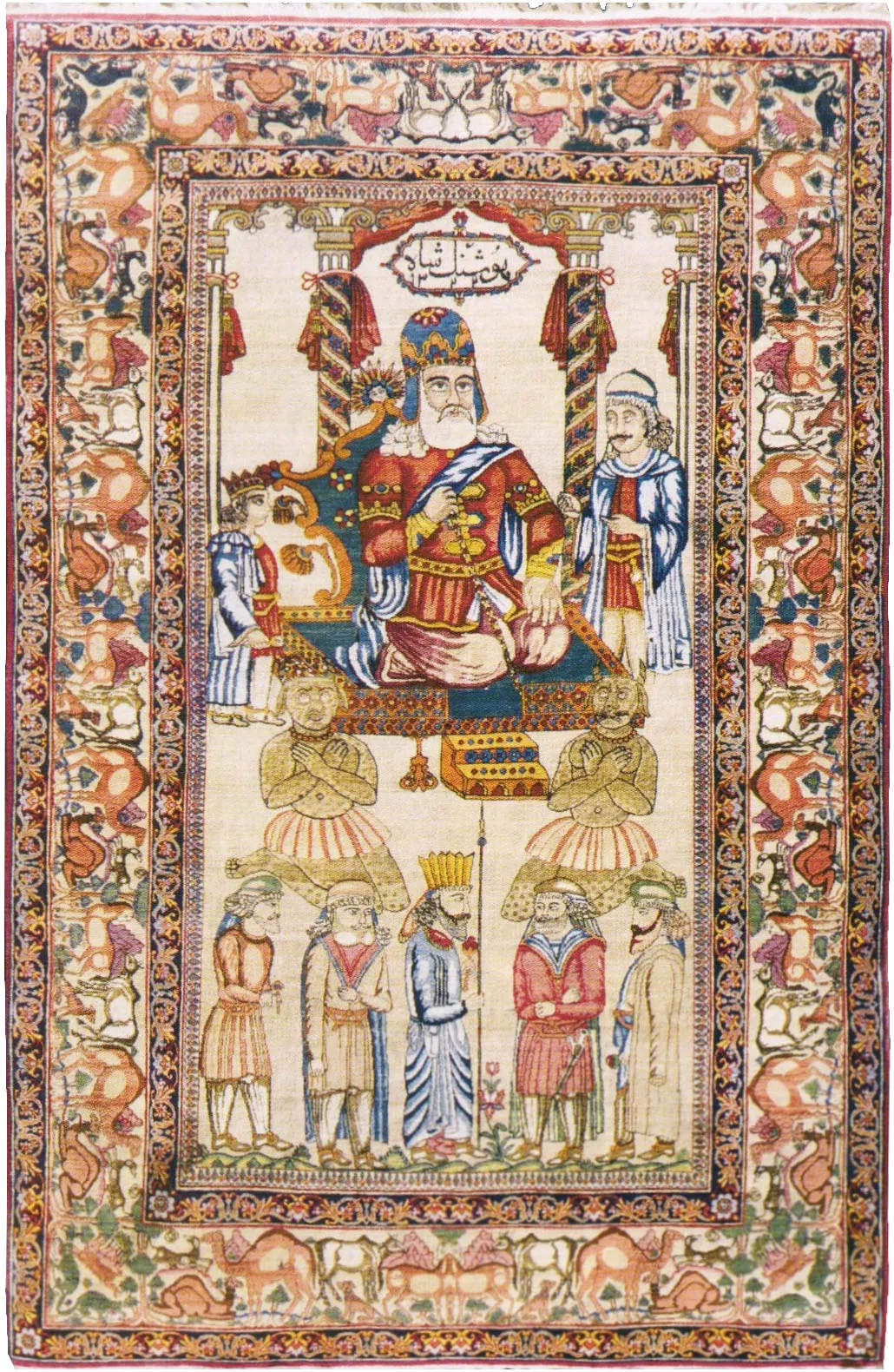
User comments
0 Comment
Post your comment